
Fragrance wafting through the air instantly transforms any home into a warm, inviting haven—especially when it’s the scent of homemade Easy Gluten Free Flatbread. This mouthwatering bread not only captures the essence of comfort food, but it also serves as a quick and simple solution for your busy nights, ready in just 15 minutes! With its delightful chewy texture and lightly crispy edges, this flatbread is perfect for pairing with your favorite dips or stuffing with delicious fillings. Once you taste this homemade delight, you’ll be saying goodbye to store-bought alternatives forever. Are you ready to elevate your bread game in your kitchen? Let’s dive into this simple recipe!
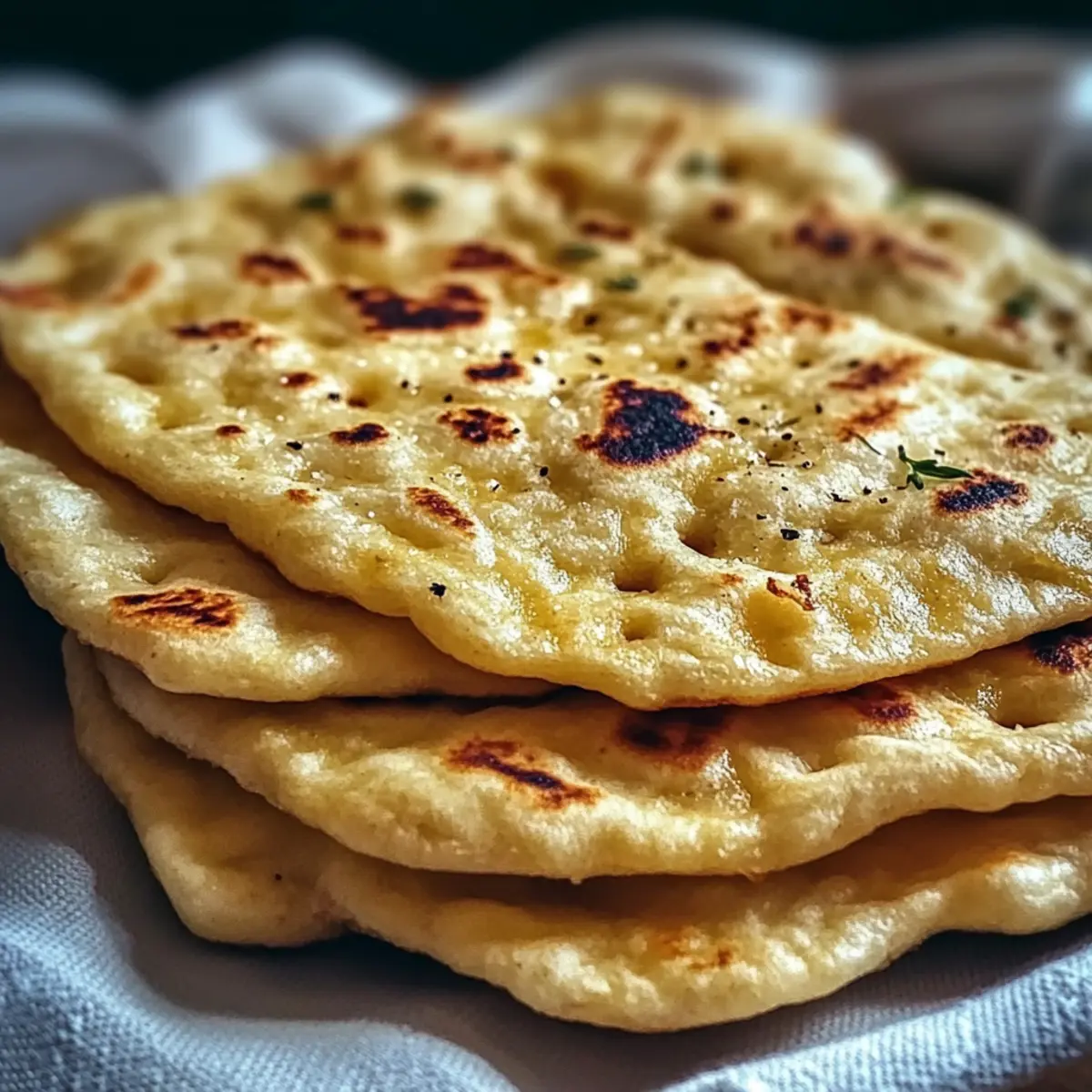
Why Make Gluten Free Flatbread?
Quick, delicious solution: This Gluten Free Flatbread is the perfect answer for busy weeknights. In just 15 minutes, you can whip up a delightful bread that’s ideal for dipping or wrapping around your favorite fillings.
Homemade happiness: Enjoy the warmth of freshly baked bread right from your oven, adding joy to your dining table.
Versatile base: Whether paired with hummus, tzatziki, or stuffed with grilled vegetables, this flatbread shines in any meal.
Unique flavor: With options to infuse garlic or herbs, you can customize it to your taste preferences, ensuring it never gets boring.
No more store-bought: Say goodbye to pre-packaged gluten-free breads; once you try this recipe, you’ll crave the homemade experience.
Elevate your meal by serving it alongside delicious options like Keto Jalapeno Popper bites for a fun twist!
Gluten Free Flatbread Ingredients
Quick and Simple Essentials
For the Dough
- Gluten-Free Flour Blend – A high-quality blend ensures the best texture for your flatbread.
- Salt – Elevates the overall flavor, making every bite delicious.
- Baking Powder – Creates a light and airy texture to make your flatbread delightful.
- Water – Start with ½ cup to achieve the perfect dough consistency, adjusting as needed.
- Olive Oil – Adds richness and helps produce a tender flatbread, enhancing its flavor.
Explore the joys of homemade gluten-free flatbread—it’s sure to become a staple in your kitchen!
Step‑by‑Step Instructions for Quick and Easy Gluten Free Flatbread
Step 1: Prepare Dry Ingredients
In a large mixing bowl, whisk together 1 cup of gluten-free flour blend, ½ teaspoon of salt, and ½ teaspoon of baking powder until they’re uniformly combined. This step is crucial for an even texture, so make sure there are no clumps in the mixture. Set the bowl aside as you get ready to add the wet ingredients.
Step 2: Combine Wet Ingredients
Gradually pour in ½ cup of water and 1 tablespoon of olive oil into the dry mixture. Stir with a wooden spoon or spatula until a sticky dough begins to form, which should take about 1-2 minutes. If the dough appears too dry, add more water, a tablespoon at a time, until you achieve the right consistency.
Step 3: Knead Dough
Lightly dust a clean surface with gluten-free flour and transfer the sticky dough onto it. Gently knead the dough for 1-2 minutes until it becomes smooth and cohesive, taking care not to overwork it. This will help develop the structure necessary for your gluten-free flatbread, giving it a pleasing texture.
Step 4: Shape Flatbreads
Divide the kneaded dough into equal portions, roughly the size of a golf ball. Roll each portion into a ball and then flatten it into discs about ¼ inch thick with your palms or a rolling pin. These flatbreads will puff up beautifully during cooking, so aim for a uniform thickness for even results.
Step 5: Cook Flatbreads
Heat a non-stick skillet over medium heat. Add one flatbread to the skillet and cook for 2-3 minutes until it turns golden brown and slightly puffs up. Flip it carefully using a spatula and cook for an additional 2-3 minutes on the other side. Remove from the skillet and continue the process with the remaining dough.
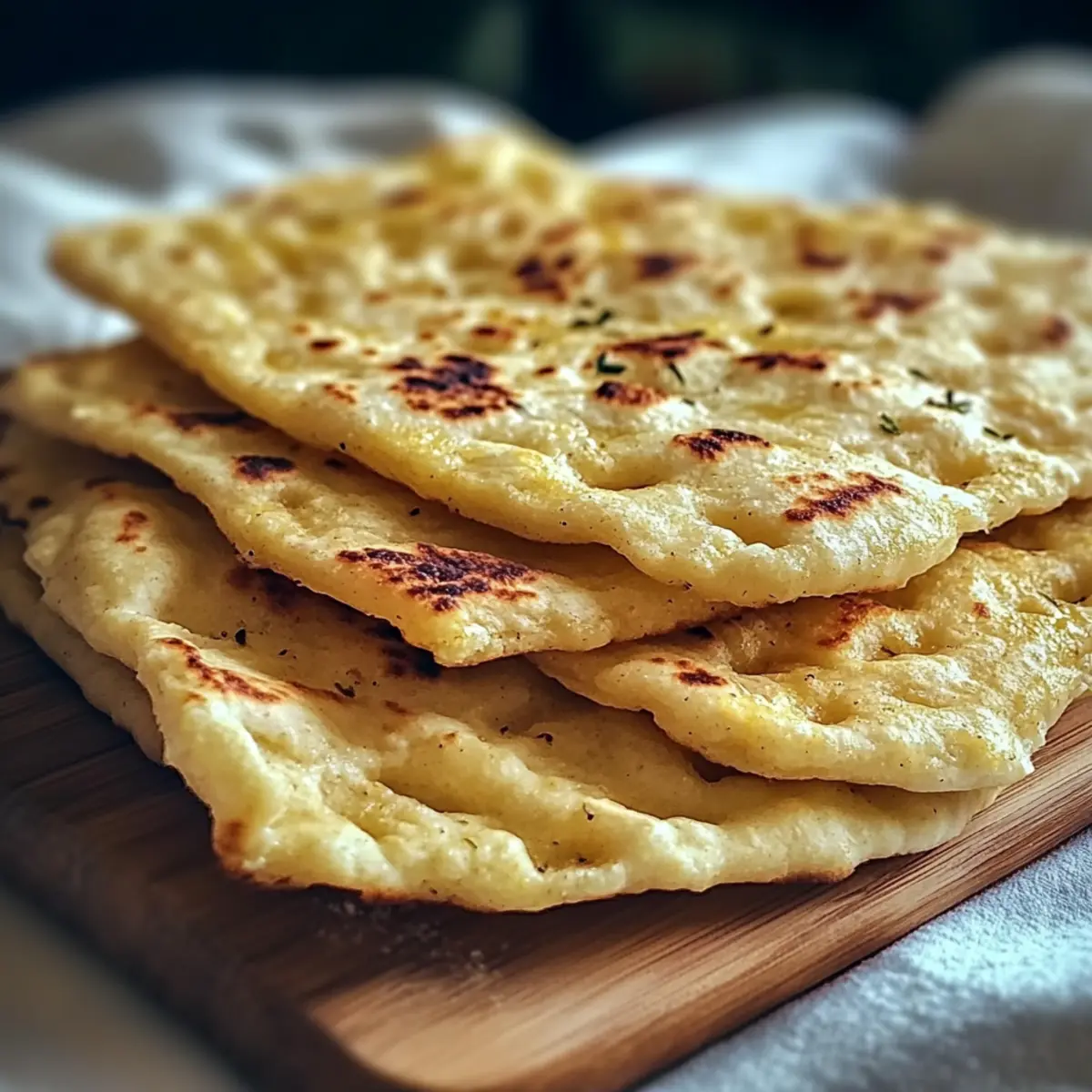
Expert Tips for Gluten Free Flatbread
-
Flour Variety: Experiment with different gluten-free flour blends to discover which one gives you the best texture for your flatbread.
-
Dough Consistency: Adjust the amount of water based on the absorption properties of your flour. The dough should be sticky but manageable for easy shaping.
-
Cooking Space: Avoid overcrowding your skillet while cooking to ensure each flatbread gets the perfect golden-brown finish without burning.
-
Storing Safely: Allow your flatbreads to cool completely before storing them in an airtight container for up to 2 days or freeze them layered with parchment for a month.
-
Make Ahead: You can prepare the dough in advance and store it in the refrigerator for up to 24 hours before shaping and cooking, making it a convenient option for busy meals.
How to Store and Freeze Gluten Free Flatbread
Room Temperature: Store flatbreads in a sealed bag or airtight container at room temperature for up to 2 days, keeping them soft and fresh.
Fridge: If you plan to keep the flatbread longer, place it in the refrigerator in an airtight container for up to a week. Reheat before serving.
Freezer: For maximum freshness, freeze the flatbreads layered between parchment paper in an airtight freezer bag for up to 1 month. Thaw in the fridge overnight before reheating.
Reheating: To reheat, warm flatbreads in a non-stick skillet or oven until heated through, ensuring they regain their lovely texture.
Make Ahead Options
Preparing your Easy Gluten Free Flatbread in advance can make busy weeknights a breeze! You can make the dough up to 24 hours ahead of time. Simply follow the recipe up to the kneading stage, then wrap the dough tightly in plastic wrap and refrigerate. This not only saves you time later but also allows the flavors to meld beautifully. When you’re ready to enjoy your flatbread, take it out of the fridge and let it come to room temperature for about 15 minutes before shaping and cooking. This way, you’ll achieve that perfect chewy texture, ensuring your gluten-free flatbread is just as delicious as freshly made!
What to Serve with Quick and Easy Gluten Free Flatbread
Transform your meals into delightful gatherings with these scrumptious pairings that elevate every bite of your flatbread.
-
Creamy Hummus: This smooth dip adds a rich, nutty flavor that beautifully contrasts the flatbread’s lightness.
-
Zesty Tzatziki: A refreshing yogurt and cucumber sauce that cools and complements the bread, perfect for summer meals.
-
Grilled Vegetables: Hearty, charred veggies add both color and texture, making your flatbread a vibrant canvas for wholesome ingredients.
-
Savory Spinach Feta Filling: Melted cheese and sautéed greens create a delectable pocket of flavor, turning your flatbread into a satisfying meal.
-
Roasted Tomato Bruschetta: Juicy tomatoes drizzled with balsamic glaze offer a burst of acidity, perfect for enhancing the flatbread’s chewy goodness.
-
Sweet Potato Fries: Crunchy on the outside and soft on the inside, these fries make a delightful pairing that’s both nutritious and satisfying.
-
Herbed Olive Oil: Serve with a bowl of infused olive oil for dipping—its warmth and fragrant herbs are an irresistible companion to your flatbread.
-
Classic Lemonade: A refreshing drink that cuts through the richness and complements the flavors, making every bite feel lighter and more enjoyable.
Gluten Free Flatbread: Delicious Customizations
Get ready to unleash your creativity in the kitchen with these tasty tweaks to your gluten free flatbread recipe!
-
Herbed Delight: Add 1 tablespoon of your favorite herbs, like rosemary or thyme, into the dough for a fragrant twist. Fresh herbs bring a burst of flavor that elevates every bite.
-
Spicy Kick: Mix in ½ teaspoon of red pepper flakes to the dough for a spicy flatbread that pairs beautifully with dips. This little addition can turn a simple bread into a flavor-packed experience!
-
Cheesy Indulgence: Fold in ½ cup of shredded cheese (like cheddar or mozzarella) for a cheesy flatbread perfect for pairing with soups or salads. This comforting twist will have your family asking for seconds!
-
Coconut Twist: Substitute olive oil with melted coconut oil for a subtle sweetness and tropical flavor profile. This change adds a unique flair that can surprise your taste buds.
-
Garlic Infusion: Mix 1 teaspoon of garlic powder into the dry ingredients for a deliciously aromatic bread. This simple adjustment boosts flavor and pairs wonderfully with Mediterranean dishes!
-
Nutty Crunch: Sprinkle seeds like sesame or sunflower on top just before cooking for added texture and flavor. Not only do they provide crunch, but they also enrich the nutrition of your flatbread.
-
Sweet Flavor: For a sweeter flatbread, add 1 tablespoon of honey or maple syrup to the wet ingredients. This delectable twist is incredible for breakfast or as a dessert base topped with yogurt and fruit!
-
Stuff it Up: Don’t be afraid to stuff your flatbreads! Try filling them with roasted vegetables or your favorite proteins. This makes for a hearty meal that pleases both the eyes and the palate.
Explore these variations while enjoying your flatbread with delightful dips like Greek Yogurt Bites or opt for crunchy snacks like Chocolate Quinoa Crisps. The possibilities are endless!
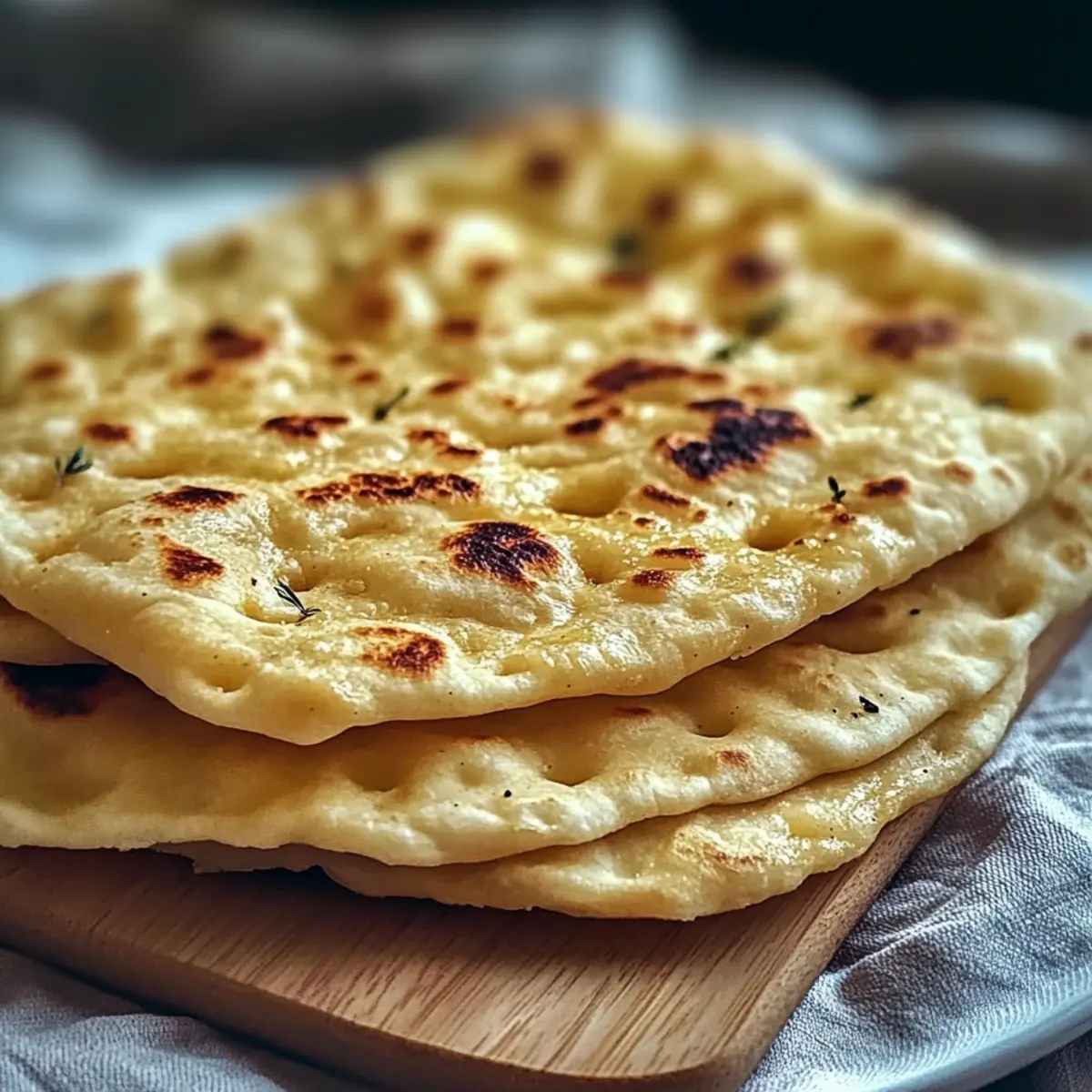
Easy Gluten Free Flatbread Recipe FAQs
What type of gluten-free flour blend should I use?
Absolutely! I recommend using a high-quality gluten-free flour blend that contains xanthan gum for better structure. Look for blends that include rice flour, tapioca starch, and potato starch, which give the flatbread a lovely texture. If you’re unsure, many brands offer blends specifically designed for baking, making your life easier.
How do I store leftover flatbread, and how long will it last?
Very! To keep your flatbread soft and fresh, store it in an airtight container or a sealed bag at room temperature for up to 2 days. If you want to extend its life, pop it in the fridge, and it will last up to a week. Just remember to reheat it before serving for the best results!
Can I freeze gluten-free flatbread, and if so, how?
Absolutely! To freeze your flatbread, allow it to cool completely, then layer each piece between parchment paper to prevent sticking. Place them in an airtight freezer bag and store them for up to 1 month. When you’re ready to enjoy, thaw in the fridge overnight, then gently reheat in a skillet or oven until warm and soft.
What should I do if my dough is too dry?
No worries! If your dough feels too dry while mixing, simply add water a tablespoon at a time. Mix it gently until the dough reaches a sticky but manageable consistency. It’s important for the texture to be just right, so adjust as needed based on the flour blend you are using.
Is this flatbread safe for people with allergies?
Yes! This gluten-free flatbread can be a great option for those with gluten sensitivity. However, if you have other allergies, check the ingredient labels of your flour blend and olive oil to ensure there are no additional allergens, such as dairy or nuts. Always tailor ingredients based on your dietary needs for a safe and tasty experience!
Can I customize the flavor of the flatbread?
Very! You can easily add your own flair to the dough by incorporating garlic powder, dried herbs, or spices. Simply mix them into the dry ingredients before adding the wet ones. This way, you’ll create a unique flavor profile that complements any dish you plan to serve it with!
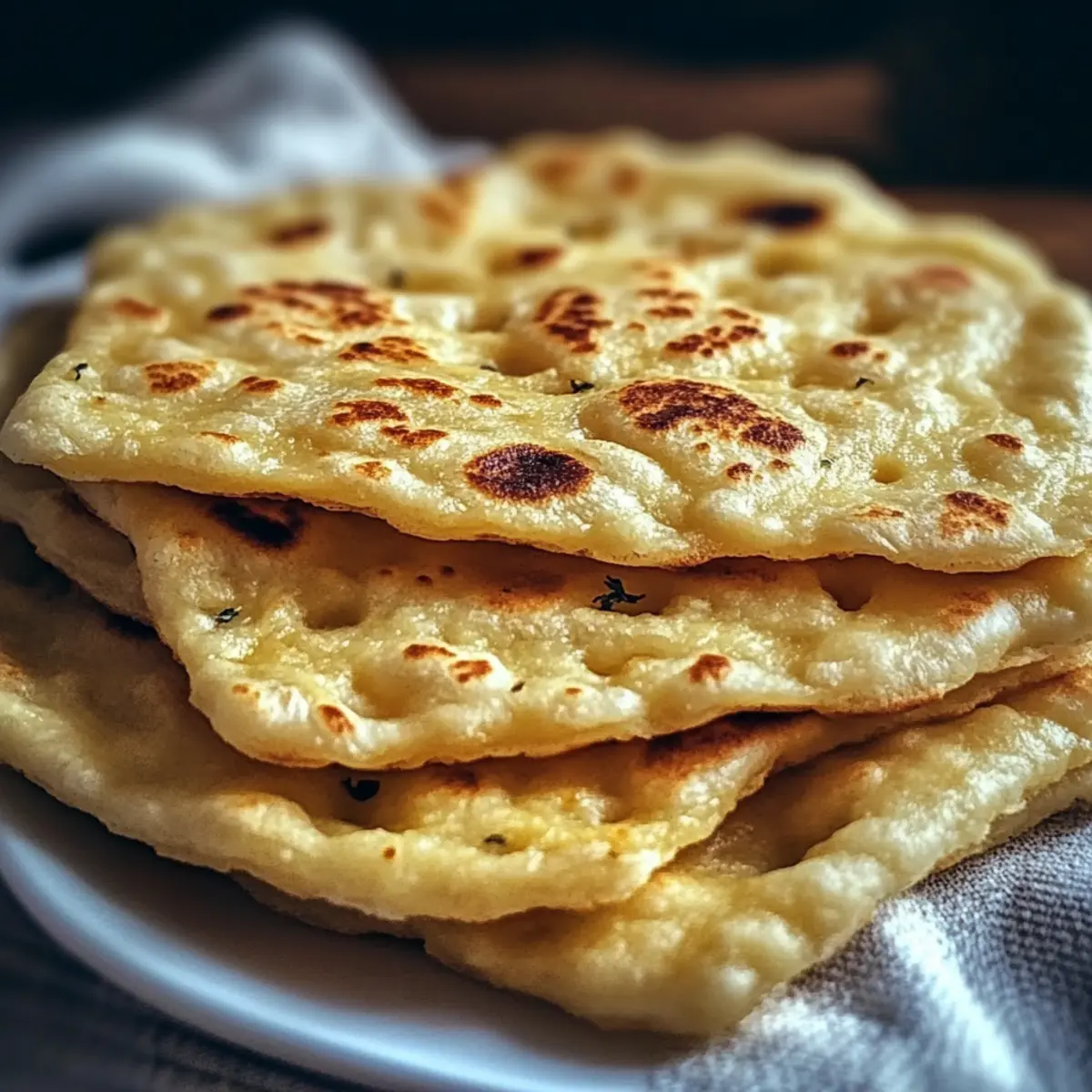
Gluten Free Flatbread: Simple, Delicious, and Homemade Bliss
Ingredients
Equipment
Method
- In a large mixing bowl, whisk together gluten-free flour blend, salt, and baking powder until combined.
- Gradually pour in water and olive oil, stirring until a sticky dough forms.
- Transfer the dough to a floured surface and knead gently for 1-2 minutes.
- Divide the dough into equal portions and roll each into a disc about ¼ inch thick.
- Heat a non-stick skillet over medium heat and cook each flatbread for 2-3 minutes until golden.
Leave a Reply