
As I stood in my kitchen, the tantalizing aroma of gochujang wafting through the air, I felt a wave of excitement; tonight’s dinner was going to be something special. This Spicy Gochujang Chicken is a quick dinner option that truly captures the essence of Korean cuisine with its rich and savory flavor profile. With just a handful of ingredients and less than 30 minutes of prep time, it’s perfect for those evenings when you crave something comforting but don’t have a lot of time. Plus, this dish is gluten-free, making it a fantastic choice for everyone at the table. Trust me, your taste buds are in for a delight! Are you ready to spice up your dinner routine? Let’s dive into this delicious recipe together!
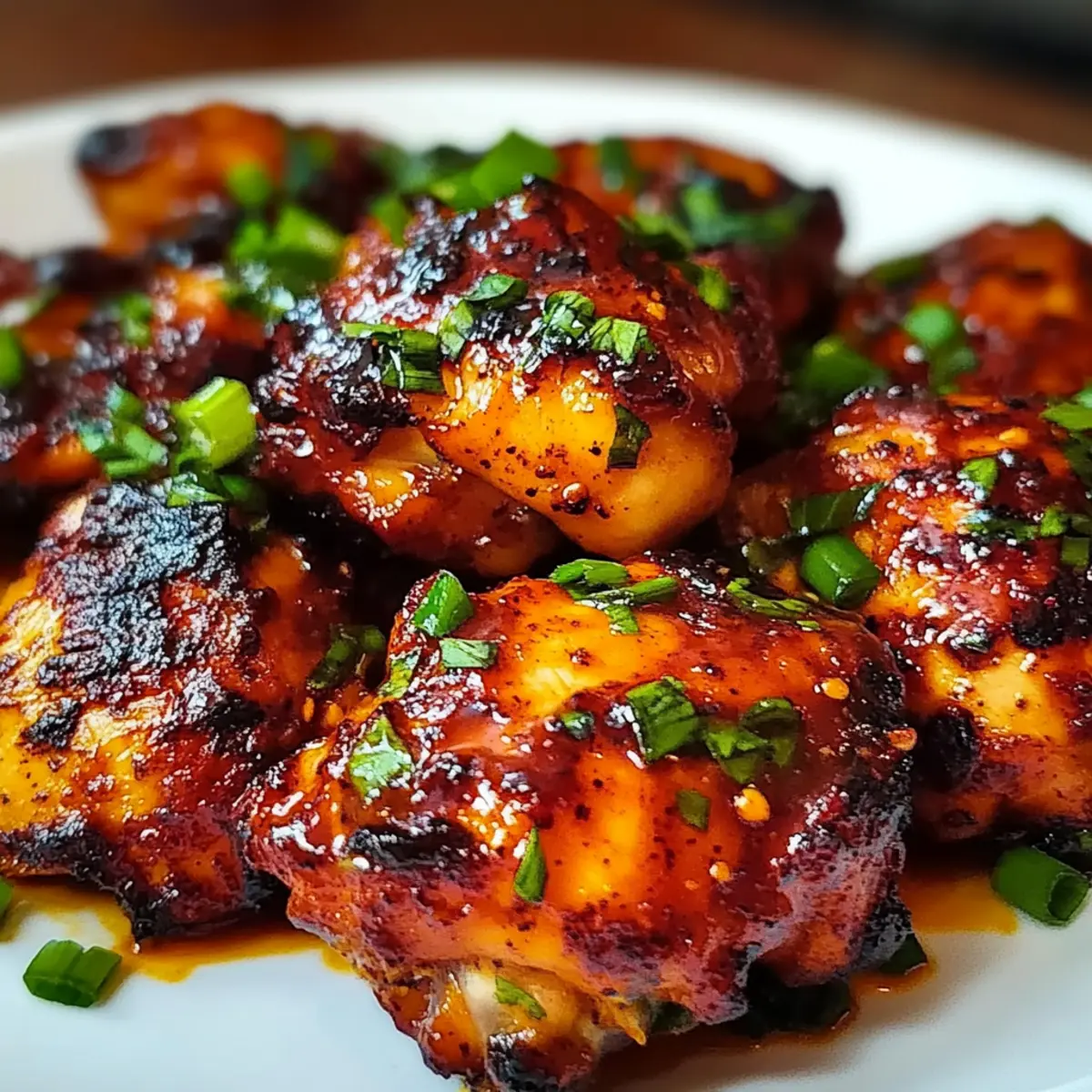
Why choose Spicy Gochujang Chicken tonight?
Quick and Easy: This recipe comes together in under 30 minutes, making it perfect for busy weeknights when you want a home-cooked meal without the hassle.
Bold Flavors: The gochujang offers a unique combination of heat and sweetness that your taste buds will love, creating a flavor-packed dish that’s anything but ordinary.
Versatile Options: You can easily swap chicken for tofu or shrimp, ensuring everyone at the table can enjoy it—perfect for both meat lovers and vegetarians alike.
Meal Prep Friendly: Marinate ahead and have dinner ready in a flash; leftovers make for fantastic lunch options!
Cultural Twist: Experience the essence of Korean cuisine right in your kitchen, adding an exciting twist to your usual fare. This dish is sure to impress everyone—from family to guests.
Spicy Gochujang Chicken Ingredients
• Here’s everything you need to create this flavorful dish!
For the Marinade
- Chicken Thighs – Boneless and skinless for a tender texture and quick cooking.
- Gochujang Paste – The essential ingredient that brings heat and depth to the dish; adjust the quantity for milder flavors.
- Soy Sauce – Adds umami and enhances the overall flavor profile.
- Honey – Balances the spicy gochujang with a touch of sweetness; maple syrup can be a great substitute.
- Garlic – Minced for aromatic strength and additional flavor dimensions.
- Fresh Ginger – Grated for a bright zing that elevates the marinade.
- Sesame Oil – Contributes rich nuttiness that rounds out the flavors beautifully.
- Salt and Pepper – To taste, ensuring a well-rounded seasoning.
For Cooking
- Cooking Oil – For searing the chicken and achieving that delightful caramelization.
- Green Onions – Sliced for garnish, providing a fresh, colorful touch to your plate.
With these ingredients, you’re all set to prepare a delectable batch of Spicy Gochujang Chicken that will entice your family and friends alike!
Step‑by‑Step Instructions for Spicy Gochujang Chicken
Step 1: Marinate Chicken
In a large mixing bowl, combine gochujang paste, soy sauce, honey, minced garlic, grated ginger, sesame oil, salt, and pepper. Whisk the mixture until smooth; this will be your marinade. Add the boneless, skinless chicken thighs to the bowl, ensuring each piece is fully coated. Cover with plastic wrap and refrigerate for at least 30 minutes, or up to 2 hours for enhanced flavor.
Step 2: Reserve Marinade
After marinating the chicken thighs, carefully remove them from the bowl and set them aside. To ensure food safety, reserve a small portion of the marinade in a separate bowl for later use as a sauce. This step is crucial to avoid contamination. The remaining marinade in the bowl can now be discarded.
Step 3: Sear Chicken
Heat a tablespoon of cooking oil in a skillet over medium-high heat until shimmering. Once hot, add the marinated chicken thighs to the skillet, making sure they’re spaced apart to promote even cooking. Sear each side for about 5-7 minutes, or until the chicken turns golden brown and caramelized. Use a meat thermometer to check that the internal temperature reaches 165°F (75°C) for doneness.
Step 4: Prepare Sauce
Once the chicken is cooked, carefully remove it from the skillet and place it on a plate. In the same skillet, pour in the reserved marinade, bringing it to a gentle simmer over medium heat. Cook the marinade for about 2-3 minutes, stirring occasionally, until it thickens slightly. This will become a delicious sauce to drizzle over your Spicy Gochujang Chicken.
Step 5: Serve
Slice the seared chicken thighs into strips and place them on a serving platter. Drizzle the thickened sauce generously over the chicken. Garnish with sliced green onions for an added pop of freshness and color. Serve hot alongside steamed rice, quinoa, or noodles to complete your meal. Enjoy your delightful Spicy Gochujang Chicken!
Make Ahead Options
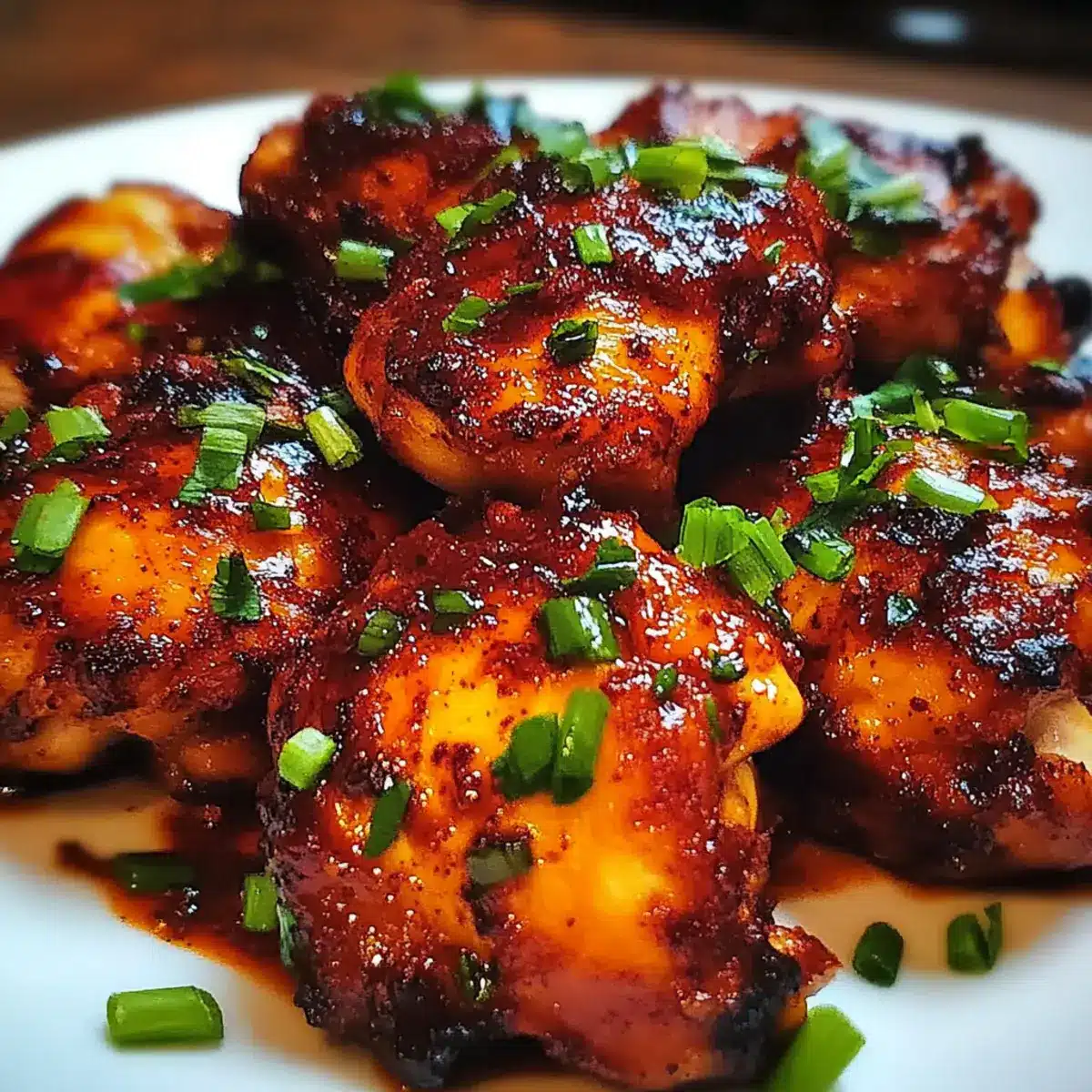
These Spicy Gochujang Chicken thighs are perfect for meal prep enthusiasts! You can marinate the chicken up to 24 hours in advance, allowing the flavors to meld beautifully and ensure a juicy texture. Simply combine the gochujang, soy sauce, honey, garlic, ginger, sesame oil, salt, and pepper in a bowl, coat the chicken thoroughly, cover it, and refrigerate. For optimal quality, reserve a portion of the marinade separately for sauce, ensuring it’s never contaminated by raw meat. When you’re ready to serve, just sear the marinated chicken, simmer the reserved marinade for a few minutes, and you’ll enjoy a delightful, home-cooked meal with minimal effort!
How to Store and Freeze Spicy Gochujang Chicken
Fridge: Store leftovers in an airtight container for up to 3-4 days to maintain freshness and flavor.
Freezer: Freeze cooked Spicy Gochujang Chicken in a suitable container for up to 3 months. Thaw overnight in the fridge before reheating.
Reheating: Reheat leftovers in a skillet over medium heat until warmed through, or in the microwave for a quick meal. Add a splash of water if needed to prevent drying out.
Marinate Ahead: If meal prepping, marinate the chicken ahead and store it in the fridge for quick weeknight meals.
Expert Tips for Spicy Gochujang Chicken
- Marinade Time: A longer marinating time (up to 2 hours) intensifies flavor. Don’t rush; patience pays off in deliciousness!
- Adjust the Heat: If you’re sensitive to spice, start with less gochujang and gradually add until the flavor suits your palate, maintaining the essence of spicy gochujang chicken.
- High-Quality Chicken: Use fresh, high-quality chicken thighs for the best texture and taste. Dried-out chicken is a common mistake to avoid!
- Safety First: Always reserve some marinade away from the raw chicken for later saucing. This keeps your dish safe and tasty.
- Versatile Leftovers: If you have leftovers, try adding them to a stir-fry or salad for a quick lunch; they hold beautifully in the fridge for 3-4 days.
Spicy Gochujang Chicken Variations
Feel free to unleash your culinary creativity and make this dish your own with these delightful twists!
-
Vegetarian Option: Substitute chicken with tofu or tempeh; they absorb all flavors beautifully and provide a hearty alternative.
-
Protein Swap: Try using pork or shrimp instead; just adjust the cooking times to ensure they’re perfectly cooked through.
-
Extra Crunch: Add seasonal vegetables like bell peppers or snap peas to the marinade, creating a colorful stir-fry that enhances both texture and nutrition.
-
Heat Level Adjustments: For a milder flavor, simply reduce the gochujang and add a touch more honey for sweetness. Perfect for those sensitive to spice!
-
Coconut Twist: Incorporate coconut milk to the marinade for a richer, creamy sauce that balances the spice and adds an exotic flair.
-
Try New Garnishes: Consider topping with cilantro or sesame seeds for an added layer of flavor and visual appeal.
-
Flavor Boost: Experiment by adding a splash of lime juice or rice vinegar to the marinade; the acidity brightens up the dish beautifully, creating a wonderful fusion.
-
Asian Fusion: Pair this dish with sriracha or kimchi on the side for extra zing and to round out your Korean-inspired meal.
Each of these variations offers a unique take on the classic recipe. If you’re in the mood for more fiery flavors, dive into other options like the delicious Spicy Cajun Honey Butter Chicken Pasta or the tangy Sticky Honey Gochujang Chicken. Your taste buds will thank you!
What to Serve with Spicy Gochujang Chicken?
Creating a complete meal is simple and delightful when you pair the bold flavors of this chicken dish with fresh and vibrant sides.
- Steamed Jasmine Rice: Fluffy rice soaks up the spicy sauce, providing a comforting base that balances the heat perfectly.
- Cucumber Salad: A refreshing side that adds crunch and coolness, countering the spice and enhancing the overall experience.
- Stir-Fried Vegetables: Tossed in sesame oil, seasonal veggies like snap peas and bell peppers add color and nutrition, complementing the dish’s flavors.
- Quinoa Pilaf: This nutty alternative is packed with protein and stands up well to the richness of the chicken, making it a wholesome choice.
- Pickled Radishes: Add a tangy kick that cuts through the richness, bringing a delightful contrast in flavor that excites the palate.
- Kimchi: A staple Korean side, kimchi introduces fermented depth and spice, offering a traditional touch to your meal.
- Lightly Toasted Noodles: Sautéed noodles tossed with sesame seeds can also serve as a hearty, warm side, perfect for those craving hearty textures.
- Chilled Soju or Beer: Pair your meal with a glass of soju or a light beer that refreshingly contrasts with the heat of the gochujang chicken, enhancing the dining experience.
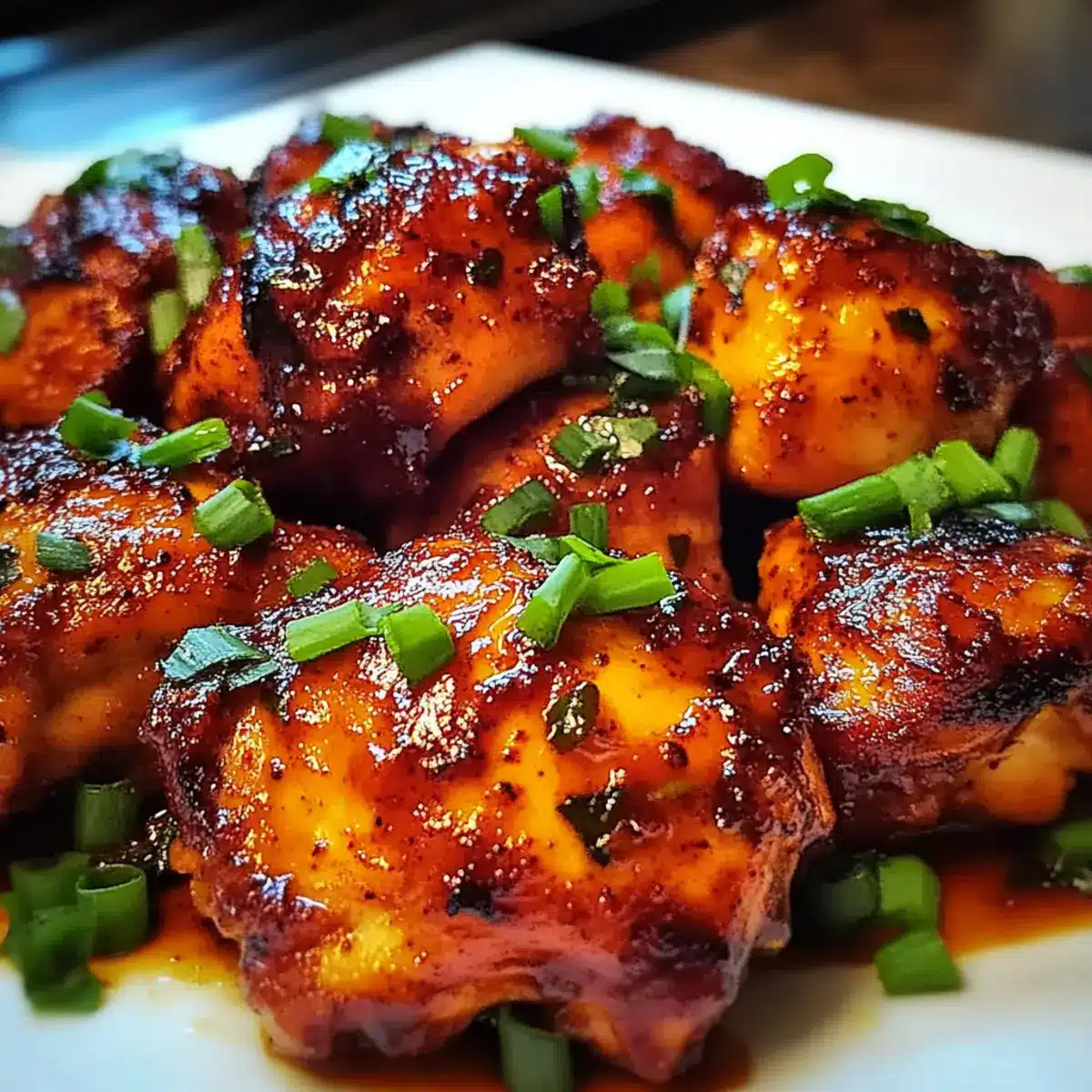
Spicy Gochujang Chicken Recipe FAQs
How do I choose the right chicken for this recipe?
Absolutely! I recommend using boneless, skinless chicken thighs for this Spicy Gochujang Chicken. They provide a tender texture and cook evenly. If you prefer chicken breasts, keep in mind they can dry out more easily, so consider slicing them thinner or adjusting the cooking time.
How long can I store leftovers?
Very well! You can store any leftovers in an airtight container in the fridge for up to 3-4 days. Just ensure they cool completely before sealing to maintain freshness. If you want to save them for longer, consider freezing them for up to 3 months. It’s a great way to enjoy a quick meal later.
Can I freeze Spicy Gochujang Chicken?
Certainly! To freeze the cooked chicken, allow it to cool completely and then place it in a freezer-friendly container. Make sure to label it with the date, and it can last for up to 3 months. When you’re ready to enjoy it, simply thaw it overnight in the fridge and reheat in a skillet or microwave.
What if the chicken turns out too spicy?
No worries at all! If you find that the chicken is too spicy for your taste, you can balance the heat by drizzling additional honey or maple syrup over the finished dish. Alternatively, serve it with a side of plain rice or yogurt to help cool the spice levels.
Is this recipe safe for those with gluten allergies?
Absolutely! This Spicy Gochujang Chicken can be made gluten-free, provided you choose a gluten-free soy sauce. It’s important to check the label on the gochujang paste as well, as some brands may contain gluten. Always pick a trusted brand to ensure it meets your dietary needs.
What are some great side dishes to serve with this chicken?
I often make a simple cucumber salad or stir-fried vegetables to serve alongside my Spicy Gochujang Chicken. Both dishes add a refreshing crunch that complements the rich flavors of the chicken. You can also serve it with steamed rice or quinoa to create a complete meal.
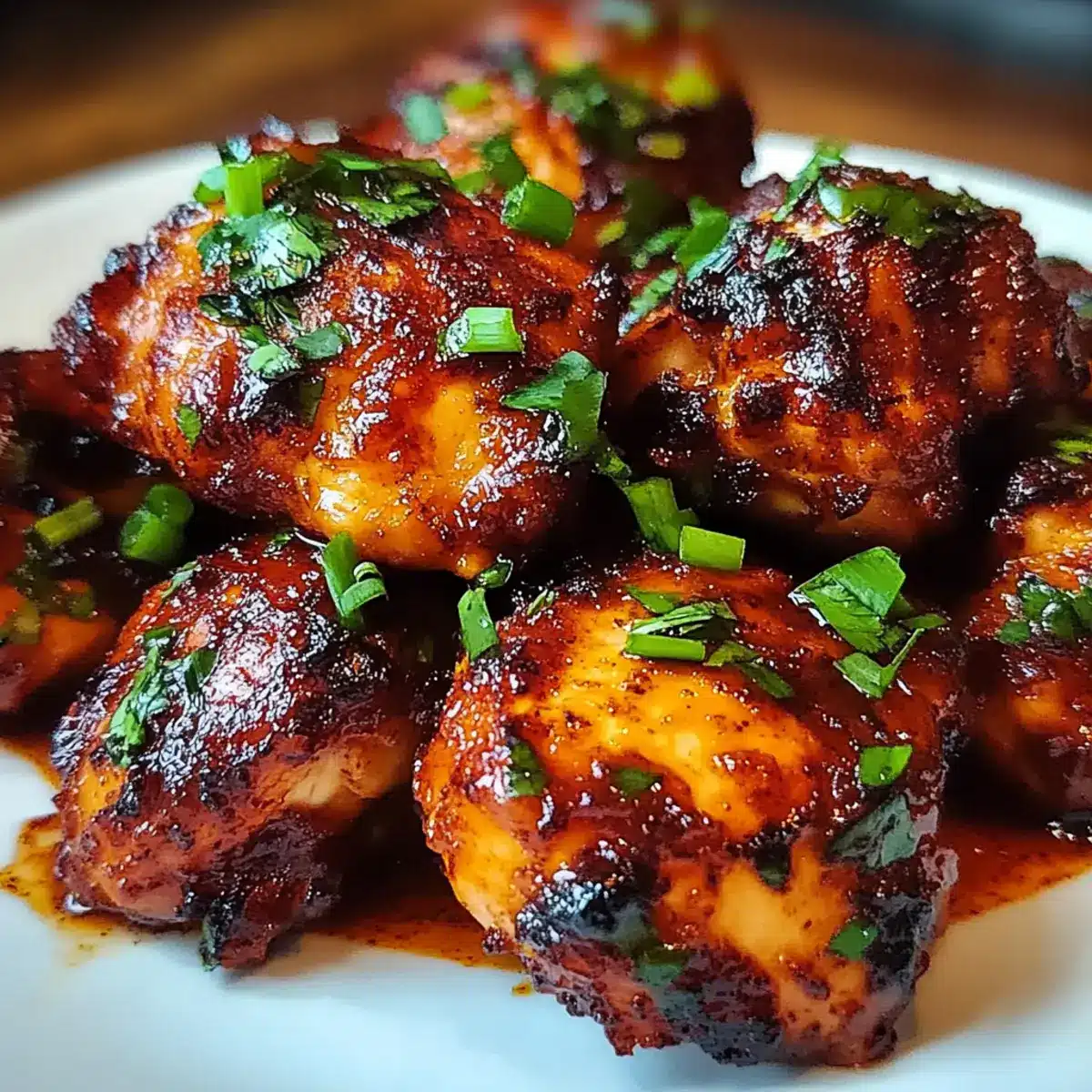
Spicy Gochujang Chicken Easy Recipe for Bold Flavor Lovers
Ingredients
Equipment
Method
- In a large mixing bowl, combine gochujang paste, soy sauce, honey, minced garlic, grated ginger, sesame oil, salt, and pepper. Whisk until smooth and add the chicken, coating fully. Cover and refrigerate for at least 30 minutes.
- Remove chicken from marinade, reserving a portion of the marinade for later use. Discard the remaining marinade.
- Heat cooking oil in a skillet over medium-high heat. Sear chicken thighs for about 5-7 minutes on each side until golden brown and cooked through.
- Remove cooked chicken and in the same skillet, bring the reserved marinade to a gentle simmer, stirring until it thickens slightly. This will be your sauce.
- Slice chicken and drizzle the sauce over it. Garnish with green onions and serve hot with rice or noodles.
Leave a Reply