
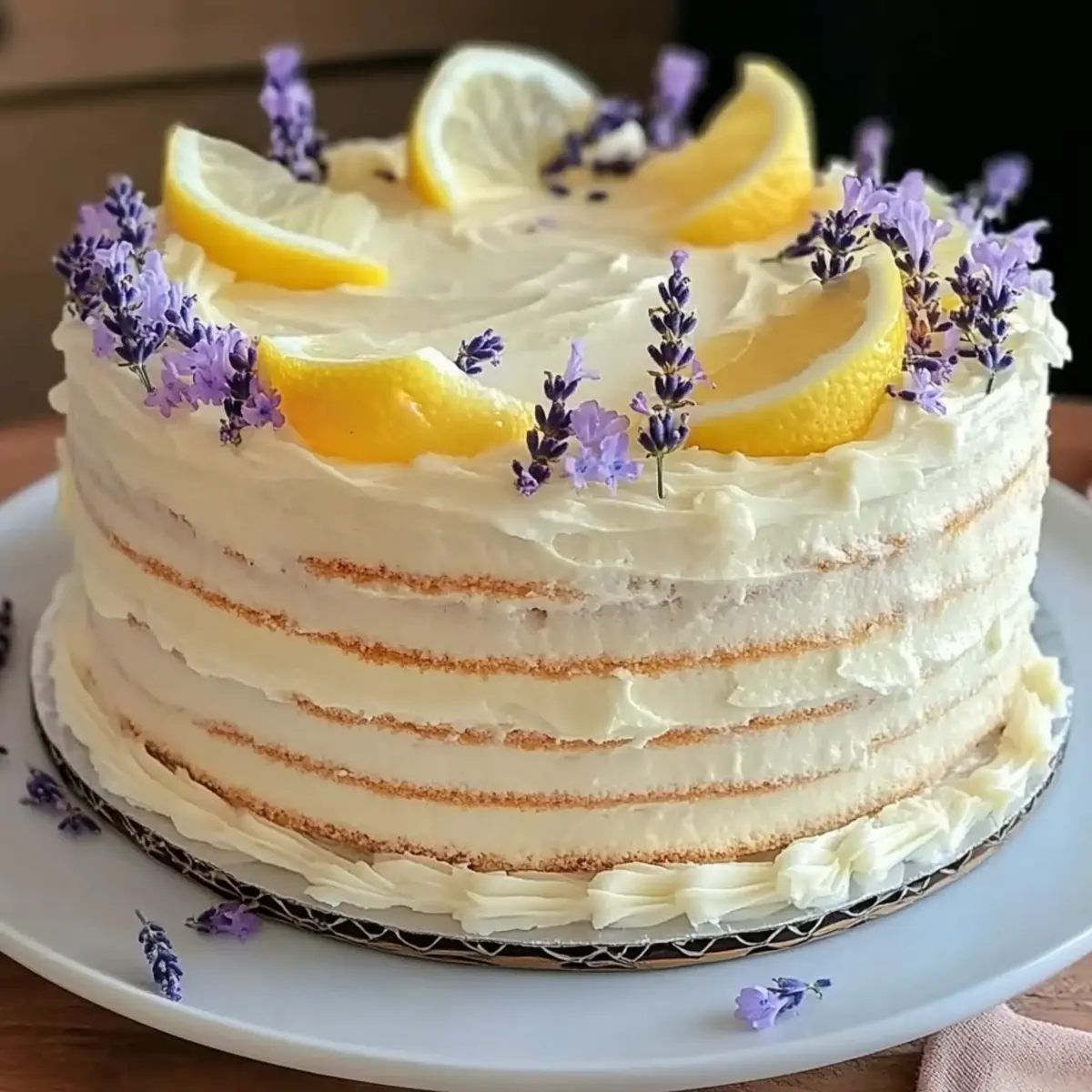
As I sifted through a garden of vibrant lemons and fragrant lavender, a magical idea took root. The Lemon Lavender Cake, with its lively citrus and delicate floral notes, invites you to celebrate spring with every bite. This dessert is not just a feast for the eyes; its irresistibly moist crumb and airy texture make it an effortless star at any gathering or quiet afternoon tea. Who wouldn’t be impressed by a cake that looks and tastes this good while being surprisingly easy to whip up? Trust me, this recipe will have you basking in the sunshine of admiration from family and friends alike. Are you ready to explore the enchanting world of floral flavors in your baking?
Why is this cake a must-try?
Bright, Inviting Flavors: The freshness of lemon and the subtlety of lavender create a unique flavor profile that excites your taste buds and lifts your spirits.
Effortless Elegance: This recipe is designed for success; even novice bakers will find it simple to assemble and impress friends without the fuss.
Versatile Delight: Whether it’s afternoon tea, a birthday party, or a spring picnic, this cake shines on any occasion—much like a lemon chicken that complements a lovely afternoon.
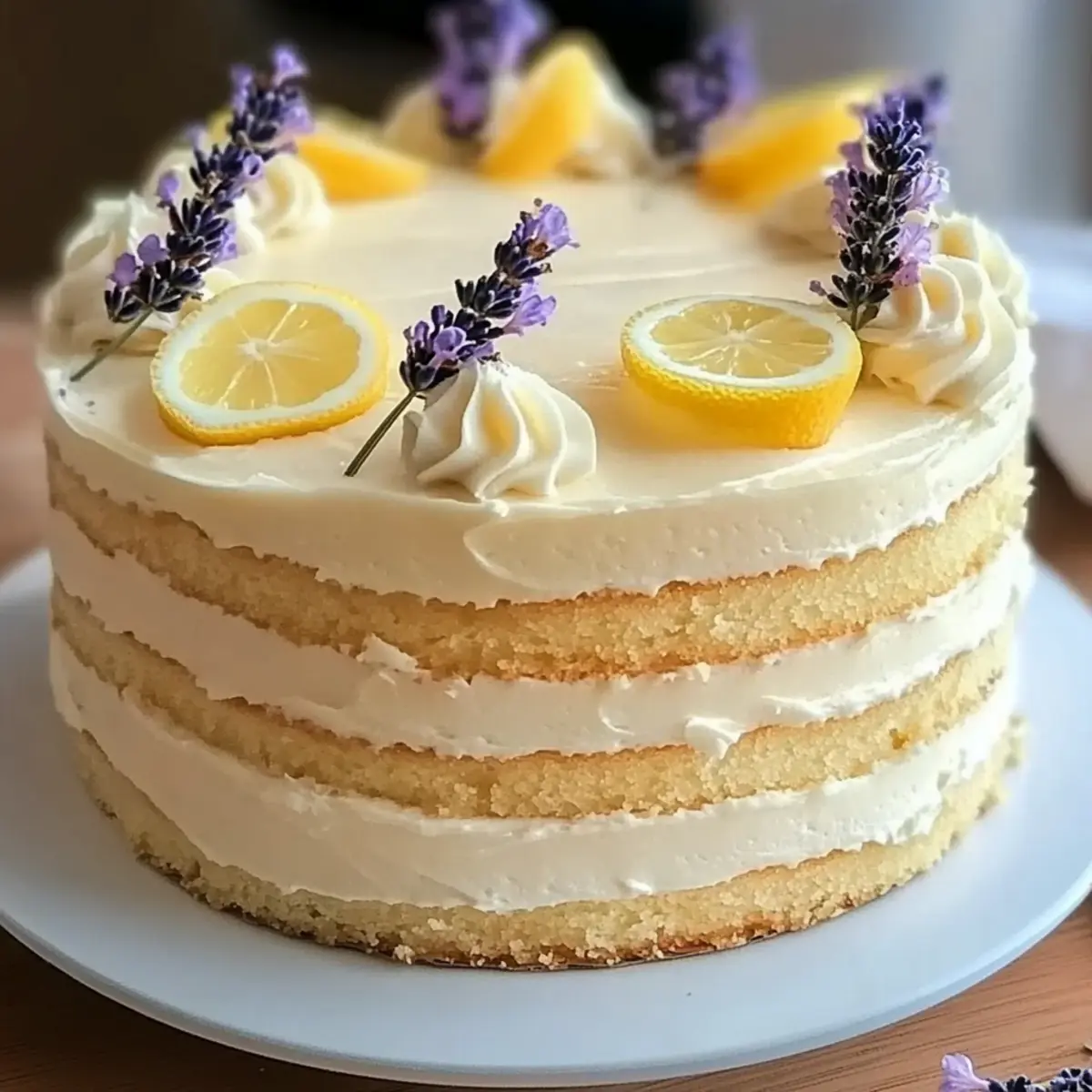
Beautiful Presentation: The cake’s stunning layers and optional glaze or buttercream make it not just delicious but also a showstopper—perfect for making any gathering memorable.
A Touch of Sophistication: With its floral essence, it offers a refreshing twist compared to everyday desserts, allowing you to indulge in a taste of something elegant.
Dive into the world of floral flavors and elevate your baking game!
Lemon Lavender Cake Ingredients
• Discover the key components for creating this delightful dessert.
For the Cake
- All-Purpose Flour – Essential for cake texture; can substitute with gluten-free flour for a GF version.
- Baking Powder – Ensure it’s fresh for the best rise.
- Baking Soda – Combines with acidic lemon juice for a balanced flavor.
- Salt – Enhances flavor; always add to elevate sweetness.
- Unsalted Butter (Softened) – Adds richness; substitute with coconut oil for a dairy-free option.
- Granulated Sugar – Provides sweetness; brown sugar can be used for added moisture and flavor.
- Large Eggs – Essential for structure and moisture; use room temperature eggs for even mixing.
- Finely Grated Lemon Zest – Fresh zest is critical for flavor; don’t substitute with bottled.
- Fresh Lemon Juice – Use fresh lemons for optimal taste; it’s the heart of the lemon lavender cake.
- Whole Milk – Adds moisture and tenderness; non-dairy milk like almond or oat can be used.
- Dried Lavender Buds (Culinary Grade) – Ensure culinary-grade for a safe, floral flavor.
- Vanilla Extract – Deepens the flavor; homemade can enhance the overall taste.
For the Glaze
- Powdered Sugar – Sweetness and smooth texture; can be adjusted for desired thickness.
- Fresh Lemon Juice – Brightens the glaze and enhances the cake’s citrus notes.
- Finely Grated Lemon Zest – Adds a touch of freshness to the glaze; a delightful finish.
- Dried Lavender Buds – Incorporating these will give an aromatic finishing touch to your glaze.
For the Buttercream
- Unsalted Butter – Provides a creamy base; softened for easy mixing.
- Powdered Sugar – Sweetness and stability; add gradually for best texture.
- Heavy Cream – Adds creaminess; can substitute with coconut cream for a dairy-free version.
- Fresh Lemon Juice – For a citrus kick in the frosting.
- Finely Grated Lemon Zest – Enhances the frostings’ flavor, ensuring every bite is zesty.
- Dried Lavender Buds – For an aromatic floral note in your buttercream.
Embrace the joy of baking and let the enchanting Lemon Lavender Cake treat you and your loved ones to a slice of spring!
Step‑by‑Step Instructions for Lemon Lavender Cake
Step 1: Preheat the Oven
Preheat your oven to 350°F (175°C) while you prepare your baking pans. Grease two 9-inch round cake pans and line the bottoms with parchment paper to ensure easy removal later. This is an essential step for your Lemon Lavender Cake, as it allows for even baking and perfect texture.
Step 2: Infuse the Milk
In a saucepan, gently heat whole milk over medium heat, adding culinary-grade dried lavender buds. Allow it to steep for about 5 minutes, watching for steam without boiling. Once fragrant, remove from heat and let it cool for a few minutes before straining, discarding the lavender. This lavender-infused milk will add an aromatic touch to your cake.
Step 3: Mix the Dry Ingredients
While the milk cools, whisk together all-purpose flour, baking powder, baking soda, and salt in a large mixing bowl. Set aside the dry ingredients as they are essential for giving your Lemon Lavender Cake structure and ensuring a light and fluffy texture.
Step 4: Cream Butter and Sugar
In a large bowl, use an electric mixer to beat softened unsalted butter and granulated sugar together on medium speed for 3–4 minutes, until light and fluffy. This process introduces air into the mixture, which is vital for achieving a beautifully risen cake.
Step 5: Incorporate the Wet Ingredients
Add large eggs to the butter mixture one at a time, ensuring each is fully incorporated before adding the next. Then, mix in the finely grated lemon zest, fresh lemon juice, and vanilla extract. This mixture will infuse your Lemon Lavender Cake with bright and delightful flavors.
Step 6: Combine Mixtures
Gradually add the whisked dry ingredients and the cooled lavender-infused milk into the wet mixture, alternating between the two. Begin and end with the dry ingredients, gently mixing until just combined to avoid overmixing, which could lead to a dense cake.
Step 7: Bake the Cakes
Divide the batter evenly between the prepared cake pans and smooth the tops with a spatula. Bake in the preheated oven for 25–30 minutes, or until a toothpick inserted into the center comes out clean. Keep an eye on them after 25 minutes to prevent overbaking.
Step 8: Cool the Cakes
Once baked, remove the Lemon Lavender Cakes from the oven and let them cool in the pans for about 10 minutes. Carefully turn them out onto wire racks to cool completely. This step is crucial to ensure your cakes maintain their texture and shape.
Step 9: Prepare the Glaze
In a medium bowl, whisk together powdered sugar, fresh lemon juice, finely grated lemon zest, and a few lavender buds until smooth. Adjust the consistency as desired by adding more powdered sugar for thickness or lemon juice for a thinner glaze. This glaze will add a sweet touch to your cake.
Step 10: Make the Buttercream
In a separate bowl, beat softened unsalted butter with an electric mixer until creamy. Gradually add powdered sugar, mixing well after each addition. Finally, add heavy cream, fresh lemon juice, lemon zest, and lavender buds, beating until fluffy and spreading consistency is achieved.
Step 11: Assemble the Cake
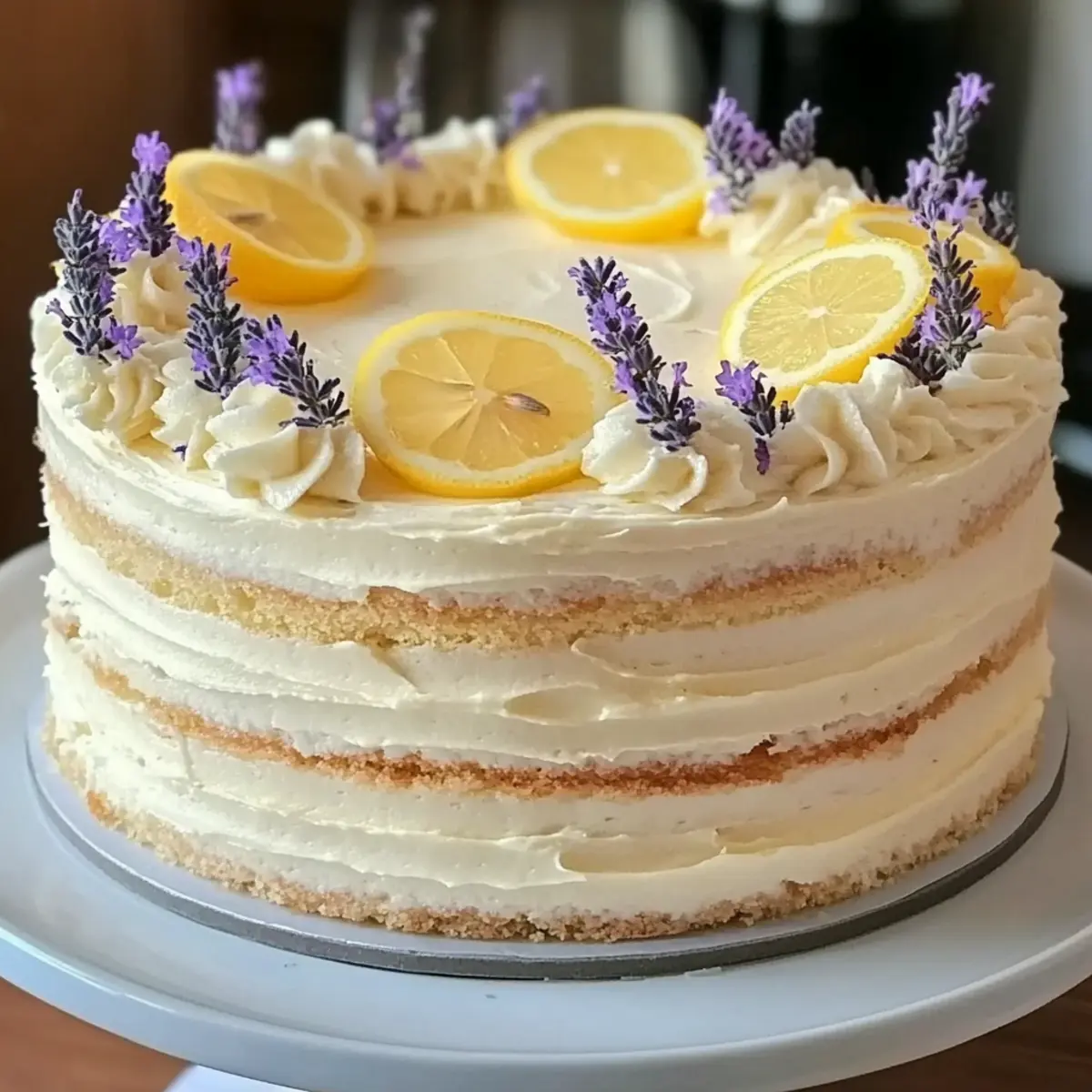
To assemble your Lemon Lavender Cake, place one layer on a serving plate and spread a layer of buttercream on top. Place the second layer gently on top and cover the entire cake with the remaining buttercream. Drizzle the prepared glaze over the top and add any desired decorations to finish.
Make Ahead Options
These Lemon Lavender Cake preparations are perfect for busy home cooks looking to save time! You can prepare the cake layers up to 24 hours in advance; simply bake, cool, and wrap each layer tightly in plastic wrap before refrigerating. For the glaze and buttercream, make them up to 3 days ahead; store in airtight containers in the fridge to keep them fresh and easy to whip out. When you’re ready to serve, let the buttercream sit at room temperature for about 30 minutes to soften, then assemble your cake by layering and frosting just before presentation. This way, you’ll have delicious, homemade results with minimal last-minute effort!
Storage Tips for Lemon Lavender Cake
Fridge: Store leftover slices in an airtight container for up to 4 days to keep them fresh and moist.
Freezer: Wrap cake layers tightly in plastic wrap or foil and freeze for up to 2 months. Thaw in the refrigerator before serving for the best flavor.
Reheating: For a warm treat, gently reheat slices in the microwave for about 10-15 seconds, just until warm. Enjoy the delightful aroma returning to life!
Room Temperature: If serving the cake within a day, store at room temperature covered with a cake dome or plastic wrap to maintain moisture.
Expert Tips for Lemon Lavender Cake
-
Maximize Zest: Don’t skimp on the finely grated lemon zest; it’s essential for a bright, aromatic flavor in your Lemon Lavender Cake.
-
Gentle Infusion: Steep the lavender in the milk carefully—too long can create a medicinal taste. A few minutes is perfect for bringing out the floral notes without overpowering the cake.
-
Alternate Mixing: When combining dry and wet ingredients, alternate them slowly to prevent overmixing, which can lead to a dense texture.
-
Check Doneness Early: Start checking the cakes for doneness around 25 minutes. Using a toothpick, you’ll want it to come out clean, avoiding overbaking for the best moist crumb.
-
Storage Secrets: Store leftovers in an airtight container in the fridge for up to four days, or freeze layers for up to two months, ensuring you enjoy every last slice of this delightful treat.
Lemon Lavender Cake Variations & Substitutions
Invite your inner chef to explore delightful variations and personal touches to the Lemon Lavender Cake that will excite your taste buds!
-
Gluten-Free: Substitute all-purpose flour with a gluten-free blend for a cake everyone can enjoy. Just make sure to follow the package instructions for the best texture!
-
Dairy-Free: Replace unsalted butter and whole milk with coconut oil and your favorite non-dairy milk. This will still yield a rich, flavorful cake without any dairy.
-
Berry Burst: Fold in a cup of fresh raspberries or blueberries into the batter for added fruity flavors and moisture. This twist will give the cake a refreshing pop and beautiful color.
-
Citrus Medley: Swap half of the fresh lemon juice with orange juice to introduce a sweeter, zesty flavor. The combination of citrus will brighten your dessert even more!
-
Floral Twist: For something different, substitute lavender with culinary-grade chamomile or hibiscus. Both offer unique floral notes that will transform your cake into a completely new experience.
-
Textural Delight: Mix in a handful of poppy seeds for a lovely crunch that complements the tender crumb of this cake beautifully. The added texture brings a touch of sophistication.
-
Frosting Flavor: Experiment with flavored extracts like almond or orange in your buttercream for a delightful twist on the traditional. Just a teaspoon will enhance the flavors and add depth to your frosting.
As you dive into these variations, consider pairing your cake delightfully with a refreshing cup of tea or maybe even a slice of Lemon Garlic Butter Cod for a flavorful meal before indulging in dessert!
What to Serve with Lemon Lavender Cake?
Delight your senses as you round out the experience of this enticing springtime treat, perfect for gatherings or quiet moments alike.
-
Fresh Berries: Juicy strawberries, raspberries, or blueberries add a burst of color and natural sweetness, enhancing the vibrant lemon flavors.
-
Herbal Tea: A soothing chamomile or refreshing mint tea perfectly complements the floral notes of the cake, creating a calming pairing for a lovely afternoon.
-
Light Whipped Cream: Adding a dollop of freshly whipped cream introduces a creamy texture that balances the cake’s moisture, making each bite feel indulgent.
-
Honey Drizzle: A touch of honey drizzled over the cake enhances the floral essence while adding a subtle sweetness that complements the lemon brightness beautifully.
-
Sparkling Lemonade: A citrusy, bubbly drink like sparkling lemonade provides a refreshing contrast, making it an ideal choice for sunny days and celebrations.
-
Lavender Infused Iced Tea: Brewed with dried lavender, this tea mirrors the cake’s subtle floral notes, ensuring layers of flavor meld beautifully.
-
Chocolate Ganache: For the chocolate lovers, a rich chocolate ganache can create an exquisite contrast to the cake’s lightness; the mix of flavors is simply divine!”
-
Vanilla Ice Cream: The classic combination of vanilla ice cream offers a creamy, cold contrast that melts beautifully into the moist cake, appealing to all ages.
Embrace these complementary options to elevate your Lemon Lavender Cake experience!
Lemon Lavender Cake Recipe FAQs
How do I choose ripe lemons for the cake?
Absolutely! When selecting lemons, look for those that feel heavy for their size and have a bright, glossy skin. Avoid any lemons with dark spots or blemishes. The aroma of fresh lemons is a sure sign of ripeness, indicating a juicy and flavorful fruit.
How should I store leftover cake?
For optimal freshness, store leftover slices of Lemon Lavender Cake in an airtight container in the refrigerator for up to 4 days. If you want to keep it longer, you can wrap the cake layers tightly in plastic wrap and freeze them for up to 2 months. Thaw in the refrigerator before serving to maintain texture and flavor.
Can I freeze this Lemon Lavender Cake?
Yes! To freeze, ensure the cake is completely cooled. Wrap each layer tightly in plastic wrap or foil, then place them in a freezer-safe container or bag. You can store it for up to 2 months. When ready to enjoy, thaw in the refrigerator overnight and let it come to room temperature before serving.
What should I do if the cake is too dense?
Very! If your Lemon Lavender Cake turns out dense, it often means it was overmixed or too much flour was added. Next time, try to mix until just combined. Additionally, if your baking powder or baking soda isn’t fresh, it can affect the rise. Always check the expiration date for these key ingredients!
Is this cake safe for pets?
Generally speaking, it’s best to keep this Lemon Lavender Cake away from pets. Ingredients like sugar, butter, and lavender can be harmful in large amounts. Always consult with your vet if you’re unsure of any particular ingredient and consider preparing a pet-friendly treat instead!
What if I have a gluten allergy?
No problem at all! You can easily make this Lemon Lavender Cake gluten-free by substituting all-purpose flour with a 1:1 gluten-free flour blend. Make sure to check that all other ingredients, like baking powder, are also gluten-free. This way, everyone can enjoy a slice of this delightful cake!
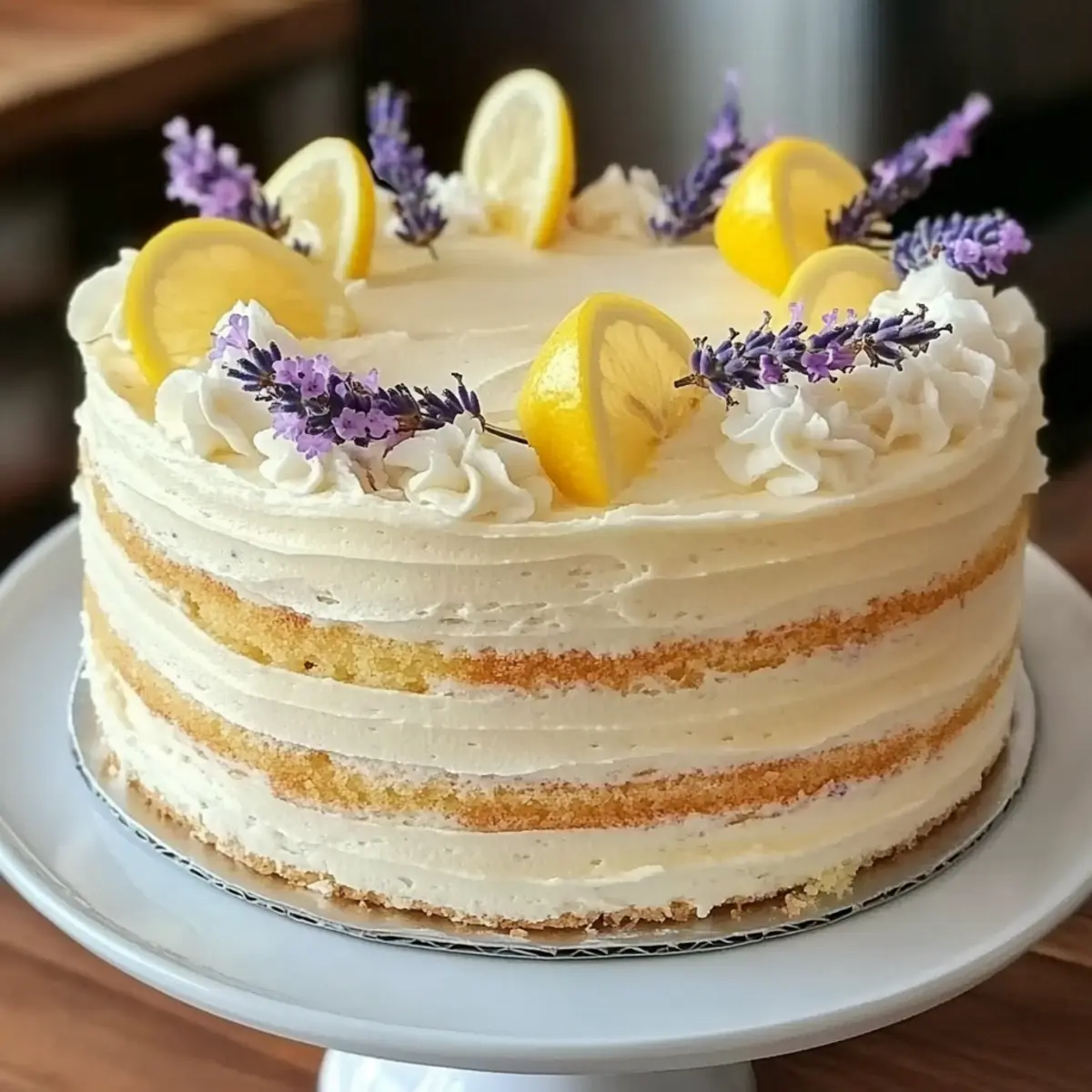
Lemon Lavender Cake: A Refreshing Twist for Spring Celebrations
Ingredients
Equipment
Method
- Preheat the oven to 350°F (175°C). Grease two 9-inch round cake pans and line the bottoms with parchment paper.
- In a saucepan, gently heat whole milk, adding dried lavender buds. Let steep for about 5 minutes, then strain.
- Whisk together flour, baking powder, baking soda, and salt in a large mixing bowl. Set aside.
- Beat the softened butter and granulated sugar with an electric mixer for 3–4 minutes until light and fluffy.
- Add eggs one at a time, then mix in lemon zest, lemon juice, and vanilla extract.
- Gradually add the dry ingredients and cooled lavender-infused milk, alternating between the two.
- Divide the batter between the cake pans and bake for 25–30 minutes until a toothpick comes out clean.
- Let the cakes cool in the pans for about 10 minutes, then transfer to wire racks to cool completely.
- Whisk together powdered sugar, lemon juice, lemon zest, and lavender buds for the glaze.
- Beat softened butter until creamy. Gradually add powdered sugar, then heavy cream, lemon juice, zest, and lavender.
- Assemble the cake by spreading buttercream between layers and covering the entire cake. Drizzle with glaze.
Leave a Reply