
When I first took a bite of Korean Soy Sauce Eggs, a flood of umami washed over me, and I couldn’t help but smile at the delightful simplicity of this dish. Gyeran Jangjorim transforms humble eggs into a savory masterpiece that’s quick to prepare and protein-packed, making it a perfect choice for a snack or an exciting side dish. With each beautifully marinated morsel, you’ll enjoy the rich flavors and gorgeous presentation that can elevate any meal. And the best part? You can effortlessly whip these up at home and impress your family or guests with minimal effort. Curious yet? Let’s dive into the recipe!
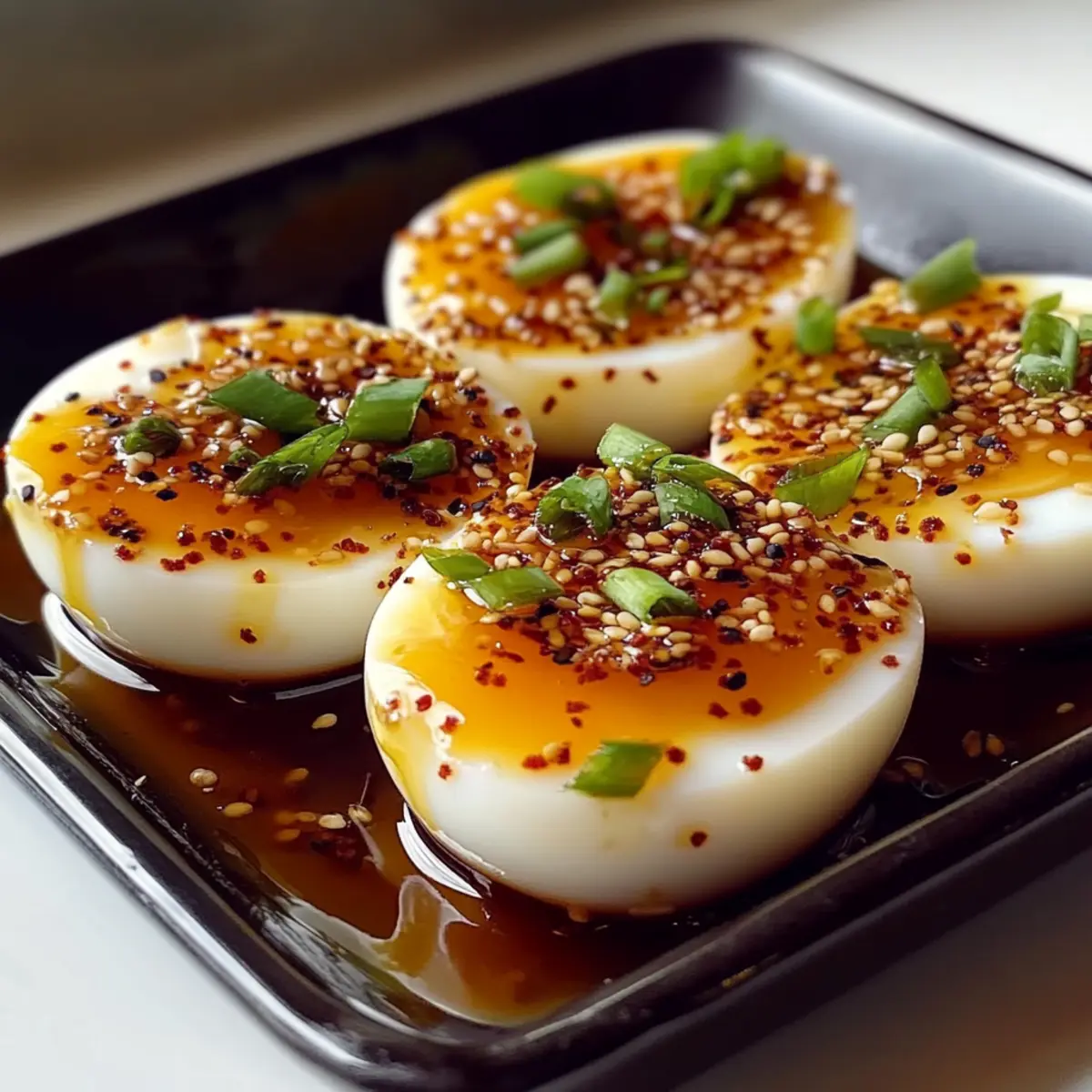
Why are Korean Soy Sauce Eggs Irresistible?
Umami Explosion: Each bite reveals a burst of rich, savory flavors that satisfy your cravings. Protein-Rich Delight: Packed with nutrients, these eggs are an excellent snack or side dish. Effortlessly Simple: Quick to prepare, making them ideal for busy days without sacrificing taste. Versatile Serving Options: Enjoy them hot or cold, in salads or bento boxes. Impress Your Guests: Serve these stunning eggs at gatherings and watch them disappear. For a delicious twist, consider pairing them with Cheesy Garlic Sauce for a unique flavor experience!
Korean Soy Sauce Eggs Ingredients
• For a deliciously savory experience!
For the Eggs
- Eggs – Main ingredient; use fresh eggs for the best flavor and texture.
For the Marinade
- Soy Sauce – Adds umami flavor and saltiness; low-sodium soy sauce can be a healthier substitute.
- Water – Ensures eggs are completely submerged during boiling; make sure it adequately covers the eggs.
- Sugar – Balances the soy sauce’s saltiness; can substitute with honey or agave syrup for natural sweetness.
- Rice Vinegar – Adds a subtle tang; apple cider vinegar or white vinegar can be used as an alternative.
- Minced Garlic – Enhances the flavor with aromatic depth; fresh garlic gives better results than garlic powder.
- Sesame Oil – Provides nuttiness and enhances overall flavor; toasted sesame oil can add even more depth.
These delicious Korean Soy Sauce Eggs will be a delightful addition to your repertoire of quick, flavorful dishes!
Step‑by‑Step Instructions for Korean Soy Sauce Eggs
Step 1: Boil the Eggs
Place fresh eggs gently in a saucepan, covering them with water by about an inch. Turn the heat to medium and bring the water to a gentle boil. Once you see the first bubbles emerging, watch carefully for a rolling boil, which usually takes about 7-10 minutes.
Step 2: Steep the Eggs
When the water reaches a rolling boil, cover the saucepan with a lid and turn off the heat immediately. Let the eggs sit undisturbed for 10 minutes to achieve that perfect creamy yolk while the residual heat continues cooking them gently.
Step 3: Prepare an Ice Bath
While the eggs are steeping, prepare a large bowl filled with cold water and ice cubes. This ice bath is crucial for halting the cooking process, ensuring your Korean Soy Sauce Eggs remain perfectly tender. Set it aside for the eggs after the steeping time is complete.
Step 4: Cool the Eggs
After 10 minutes, use a slotted spoon to carefully transfer the eggs into the ice bath. Allow them to cool for about 5-7 minutes, or until they’ve reached room temperature. This step also makes peeling much easier, preventing any unsightly cracks in the egg whites.
Step 5: Make the Marinade
In a medium bowl, whisk together soy sauce, water, sugar, rice vinegar, minced garlic, and sesame oil. Stir until the sugar is completely dissolved, creating a sweet and savory marinade that will infuse the eggs with umami flavor. Set this aside while you peel the eggs.
Step 6: Peel the Eggs
With the eggs cooled, gently crack each egg against a hard surface, then peel them under cool running water for the best results. This method helps remove the shell cleanly without damaging the egg whites, ensuring your Korean Soy Sauce Eggs look beautiful.
Step 7: Marinate the Eggs
Place the peeled eggs in a container and pour the prepared soy sauce mixture over them. Ensure the eggs are fully submerged in the marinade by gently pressing them down. This allows the flavors to penetrate deeply, creating that delicious, savory profile you’re aiming for.
Step 8: Refrigerator Time
Seal the container tightly and refrigerate the marinating eggs for at least 1 hour, although soaking them overnight will yield an even richer taste. The longer they sit, the more flavorful your Korean Soy Sauce Eggs will become, so plan ahead if you can!
Step 9: Serve and Garnish
Once marinated, carefully remove the eggs from the liquid and slice them in half. Arrange them on a plate and sprinkle with desired garnishes like sliced green onions, sesame seeds, or a dash of chili flakes for an extra kick. Enjoy your beautifully presented Korean Soy Sauce Eggs as a snack or side dish!
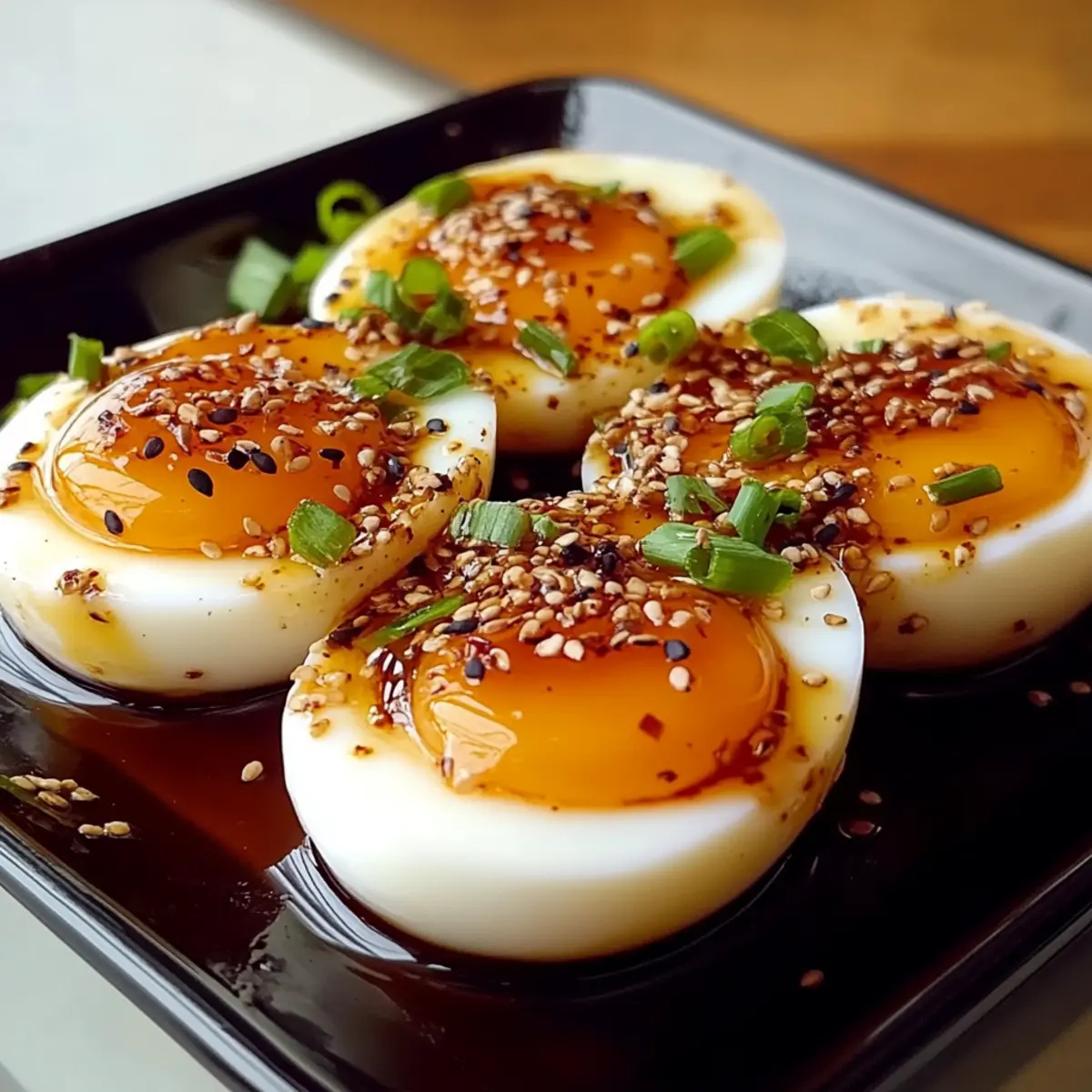
How to Store and Freeze Korean Soy Sauce Eggs
Fridge: Store your Korean Soy Sauce Eggs in the refrigerator for up to one week, keeping them submerged in their marinade for the best flavor retention.
Freezer: While it’s not recommended to freeze marinated eggs due to texture changes, you can freeze unboiled eggs for up to 3 months.
Reheating: For best results, enjoy the marinated eggs cold or at room temperature. If you prefer them warm, briefly heat them in a microwave, ensuring not to cook them further.
Taste Retention: Always store the eggs in a tightly sealed container to maintain their flavor and prevent any odor absorption from other foods in the fridge.
What to Serve with Korean Soy Sauce Eggs
When planning a meal around these delightful soy sauce eggs, consider adding complementary dishes that enhance both flavor and texture.
- Steamed Rice: The soft, fluffy texture of rice soaks up the rich umami flavors from the marinade, providing a perfect base for your meal.
- Fresh Cucumber Salad: Crisp cucumbers add a refreshing crunch that balances the savory richness of the eggs, making each bite more delightful.
- Kimchi: This iconic Korean side dish adds a spicy kick and tangy flavor that contrasts beautifully with the creamy, savory eggs.
- Roasted Vegetables: Seasoned and caramelized veggies provide a hearty element and a burst of color, rounding out your plate.
- Sesame Noodles: Tossed with a light soy dressing, these noodles offer a delightful chewiness and herbal notes that complement the eggs’ umami.
- Green Tea: A fragrant cup of green tea cleanses the palate and boosts the meal’s overall healthiness, making it a perfect drink choice.
- Fruit Salad: A vibrant medley of seasonal fruits brings sweetness and brightness, adding a refreshing finish to your dining experience.
- Chili Garlic Sauce: For those who enjoy a little heat, adding a drizzle of this sauce on top enhances the flavor profile even further, creating a savory symphony.
Expert Tips for Korean Soy Sauce Eggs
- Marinate Overnight: To deepen the umami flavors, let the eggs soak overnight in the marinade. This enhances their taste dramatically.
- Avoid Overcooking: Stick to the 10-minute steep after boiling for perfect creamy yolks. Overcooking can lead to rubbery eggs.
- Ice Bath Essential: Don’t skip the ice bath! It not only stops the cooking but also makes peeling easier and cleaner.
- Experiment Freely: Try marinating different proteins like tofu or chicken with the same soy sauce mixture for a delightful twist.
- Garnishing Matters: Elevate presentation by adding fresh garnishes like green onions or sesame seeds, making them more inviting to serve.
Korean Soy Sauce Eggs Variations & Substitutions
Feel free to get creative with these delicious twists and substitutions that can enhance your Korean Soy Sauce Eggs experience!
-
Spicy Kick: Add a tablespoon of chili garlic sauce to the marinade for a delightful heat that complements the savory eggs. A dash of sriracha can also elevate the flavor profile!
-
Vinegar Variations: Swap rice vinegar for apple cider vinegar or white vinegar to explore different tangy notes in your marinade. Each variation brings its own unique charm and zest.
-
Sweetness Swap: Instead of sugar, use honey or agave syrup to introduce a natural sweetness that balances the salty soy sauce beautifully. These alternatives can add a distinct flavor twist!
-
Asian Flair: Experiment by mixing in a splash of mirin or sake into your marinade for an added layer of complexity. This can bring a subtler sweetness and depth to your dish.
-
Herb Infusion: Toss in fresh herbs like cilantro or basil with the eggs as they marinate. Their bright flavors will brighten up this savory dish and add freshness with every bite.
-
Umami Boost: Incorporate a teaspoon of miso paste into the marinade for an extra hit of umami flavor that will coax out the richness of the eggs, making them even more addictive.
-
Protein Substitution: Marinate firm tofu or chicken pieces in the same marinade for a deliciously savory alternative. This swap allows you to enjoy the same incredible flavor, just in a different form.
-
Serving Style: Try serving these flavorful eggs over steamed rice or sliced in a bento box alongside pickled vegetables for a complete culinary experience. They’re just as delightful when paired with a side of Cheesy Garlic Sauce, adding a creamy contrast to the salty eggs!
Make Ahead Options
Korean Soy Sauce Eggs are wonderfully suited for meal prep, making them an excellent choice for busy weeknights! You can boil and peel the eggs up to 3 days in advance and store them in the refrigerator. Additionally, prepare the marinade ahead of time and keep it in an airtight container for up to 1 week. When you’re ready to enjoy, simply combine the peeled eggs with the marinade and refrigerate for at least 1 hour or overnight for the best flavor absorption. This advance prep ensures that when you serve these eggs, they will be just as delicious and bursting with umami goodness while saving you precious time during your busy days!
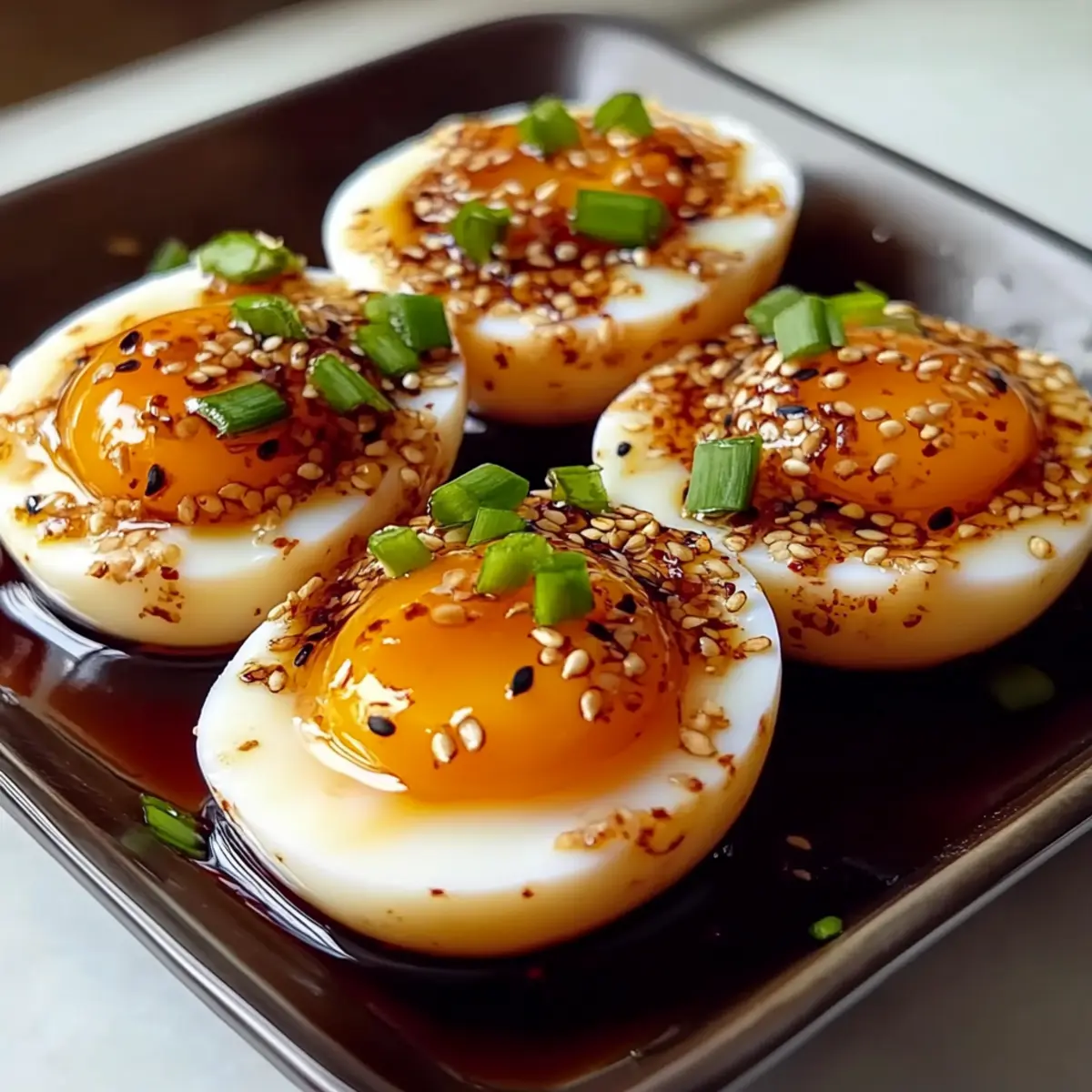
Korean Soy Sauce Eggs Recipe FAQs
What kind of eggs should I use for Korean Soy Sauce Eggs?
Absolutely, for the best flavor and texture, I recommend using fresh eggs. Look for eggs without dark spots or imperfections on the shell, which could indicate age. Fresh eggs not only taste better but also peel more easily after boiling!
How should I store Korean Soy Sauce Eggs?
You can store your Korean Soy Sauce Eggs in the refrigerator for up to one week. Be sure to keep them submerged in their marinade within a tightly sealed container to retain their delightful flavor and prevent them from absorbing other odors in your fridge.
Can I freeze Korean Soy Sauce Eggs?
While it’s generally not recommended to freeze marinated eggs because freezing can alter their texture, you can freeze unboiled eggs for up to 3 months. If you choose to do so, follow these steps:
- Crack the eggs into a container, leaving a little space for expansion.
- Whisk the eggs lightly, then seal them in an airtight freezer bag or container.
- When you’re ready to use them, thaw in the refrigerator overnight before boiling.
What if my eggs crack while boiling?
Very often, eggs crack due to rapid changes in temperature. To prevent this, make sure the water is gently boiling before adding the eggs. If you notice cracks despite your precautions, don’t worry! Just follow the recipe and remember to peel carefully. The flavor will still be delicious!
Are there any dietary considerations for Korean Soy Sauce Eggs?
Certainly! If you’re concerned about allergies, be mindful that soy sauce contains soy and wheat, so opt for gluten-free soy sauce if needed. Additionally, if you’re making these for pets, it’s best to skip the soy sauce, as it’s too salty for many animals. Always check with your vet before introducing new foods!
How long should I marinate the eggs for the best flavor?
For the deepest flavor, I often recommend marinating the Korean Soy Sauce Eggs overnight. However, if you’re short on time, even a 1-hour soak will infuse a lovely umami taste. The longer they sit in the marinade, the more flavorful they become, so feel free to plan ahead and enjoy!
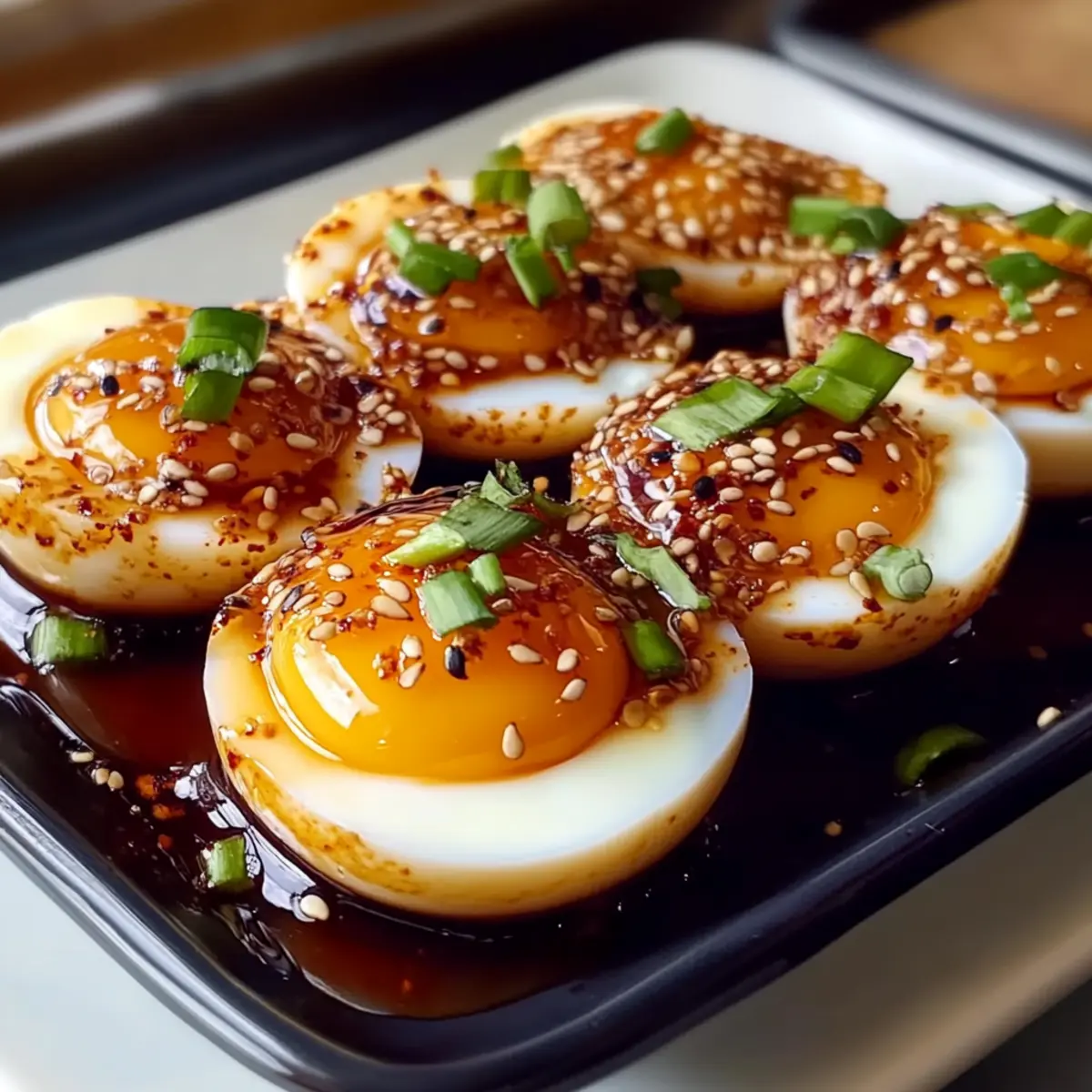
Savory Korean Soy Sauce Eggs for a Quick Umami Delight
Ingredients
Equipment
Method
- Place fresh eggs gently in a saucepan, covering them with water by about an inch. Turn the heat to medium and bring the water to a gentle boil.
- When the water reaches a rolling boil, cover the saucepan with a lid and turn off the heat immediately. Let the eggs sit undisturbed for 10 minutes.
- While the eggs are steeping, prepare a large bowl filled with cold water and ice cubes for an ice bath.
- After 10 minutes, use a slotted spoon to transfer the eggs into the ice bath. Allow them to cool for 5-7 minutes, or until they reach room temperature.
- In a medium bowl, whisk together soy sauce, water, sugar, rice vinegar, minced garlic, and sesame oil until the sugar is completely dissolved.
- With the eggs cooled, gently crack each egg against a hard surface and peel them under cool running water.
- Place the peeled eggs in a container and pour the soy sauce mixture over them, ensuring the eggs are fully submerged.
- Seal the container and refrigerate for at least 1 hour. Overnight is recommended for richer taste.
- Once marinated, remove the eggs from the liquid, slice them in half, and garnish as desired before serving.
Leave a Reply