
As I stood in my kitchen, the warm sun streaming through the window, the scent of ripe apricots danced in the air. It was time for a delightful twist on summer preserves—Easy No-Peel Apricot Butter! This recipe is a game-changer, allowing you to savor the vibrant flavors of fresh fruit without the tedious peeling process. With a lower sugar content than traditional jams, it creates a healthier, spreadable delight perfect for breakfasts or as charming homemade gifts. You’ll love how effortlessly this preserve comes together, transforming your kitchen into a cozy haven filled with the essence of summer. Curious about how to capture all that flavor in a jar? Let’s dive into this delicious adventure!
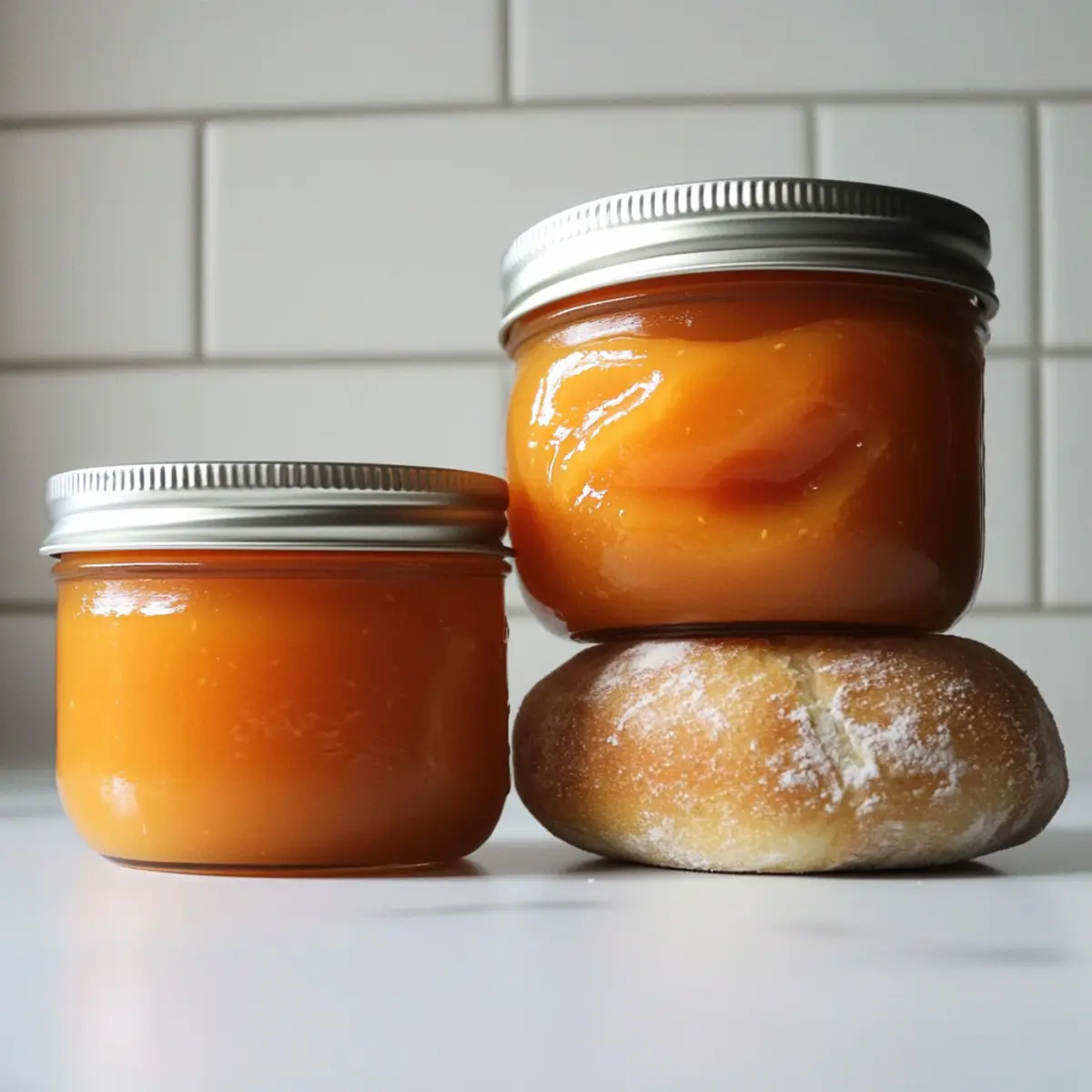
Why is This Apricot Butter So Special?
Simplicity at Its Finest: This recipe eliminates the peeling step, making it a breeze for anyone—whether you’re a busy parent or a novice cook.
Low Sugar Bliss: With significantly reduced sugar compared to traditional jams, you can indulge without guilt while still enjoying the natural sweetness of ripe apricots.
Versatile Treat: Perfect for slathering on warm sourdough toast, using as a filling in cookies, or swirling into yogurt—this apricot butter elevates any dish!
Beautiful Presentation: The vibrant orange color makes it a stunning addition to your breakfast table or as a gift in a pretty jar—it’s a delightful way to share summer with loved ones.
Crowd-Pleasing Flavor: With hints of lemon and the option to spice it up, it’s sure to impress anyone who takes a bite—and they’ll be back for more!
Apricot Butter Ingredients
For the Butter
• Apricots – 2 lbs of fresh apricots, halved and pitted, bring the rich fruit flavor you’ll love in this apricot butter.
• Water – ½ cup ensures the fruit cooks down nicely, making it easier to blend into a smooth consistency.
• Sugar – 3 cups sweetens the preserve; feel free to adjust, but keep in mind this affects the texture and sweetness level.
• Lemon Juice – 2 tablespoons, fresh or bottled, brightens the flavor and enhances the natural taste of your apricot butter.
For Spicing It Up
• Cinnamon – A pinch of this warm spice can add a cozy flavor twist, perfect for the fall or winter months.
• Cardamom – Just a sprinkle allows for an exotic touch, elevating your apricot butter to something truly special.
• Vanilla – A splash of vanilla extract at the end of cooking can create a wonderfully rich depth of flavor.
Take your homemade apricot butter on a delicious journey with these simple ingredients, and don’t forget—the joy of preserving is in capturing those sweet summer moments in every jar!
Step‑by‑Step Instructions for Apricot Butter
Step 1: Prep Apricots
Begin by washing 2 lbs of ripe apricots under running water. Halve and pit each apricot, then coarsely chop them without peeling. The skins will dissolve during cooking, adding nutrition and color to your homemade apricot butter. Set your diced apricots aside as you prepare to cook them.
Step 2: Cook Fruit
In a large pot, combine the chopped apricots with ½ cup of water. Stir gently and bring the mixture to a simmer over medium heat. Cook for about 20 minutes, stirring occasionally, until the apricots have softened and released their juices. You’ll know it’s ready when the fruit becomes tender and fragrant.
Step 3: Puree Mixture
Once the apricots are soft, use an immersion blender to puree the mixture directly in the pot. Blend until the fruit is mostly smooth, but leave a bit of texture for character. If you don’t have an immersion blender, carefully transfer the fruit to a blender in batches. This smooth consistency is key for your vibrant apricot butter.
Step 4: Combine Ingredients
Return the pureed apricot mixture to the pot and add 3 cups of sugar and 2 tablespoons of lemon juice. Stir the mixture thoroughly until the sugar is completely dissolved, ensuring an even sweetness throughout your apricot butter. The bright aroma of lemon will enhance the fruit’s natural flavors.
Step 5: Simmer
Reduce the heat to low and let the mixture simmer gently, stirring frequently to prevent sticking. Cook for 1 to 2 hours on the stovetop, or 3 to 4 hours in a slow cooker, until the apricot butter thickens to your desired consistency. You’ll know it’s done when it holds its shape on a spoon.
Step 6: Prepare Canner
While the apricot butter thickens, prepare your canning jars by sterilizing them in boiling water. Fill a large pot with water and heat it to a rolling boil, which will serve as your water bath. This step is crucial for proper preservation of your delicious homemade apricot butter.
Step 7: Canning
Once the apricot butter has thickened, ladle it into the sterilized jars, leaving about ¼ inch of headspace at the top. Wipe the rims of the jars clean and seal them with sterilized lids. Process the jars in the boiling water bath for 10 minutes to ensure they are properly sealed and safe for storage. Adjust the time based on your altitude if necessary.
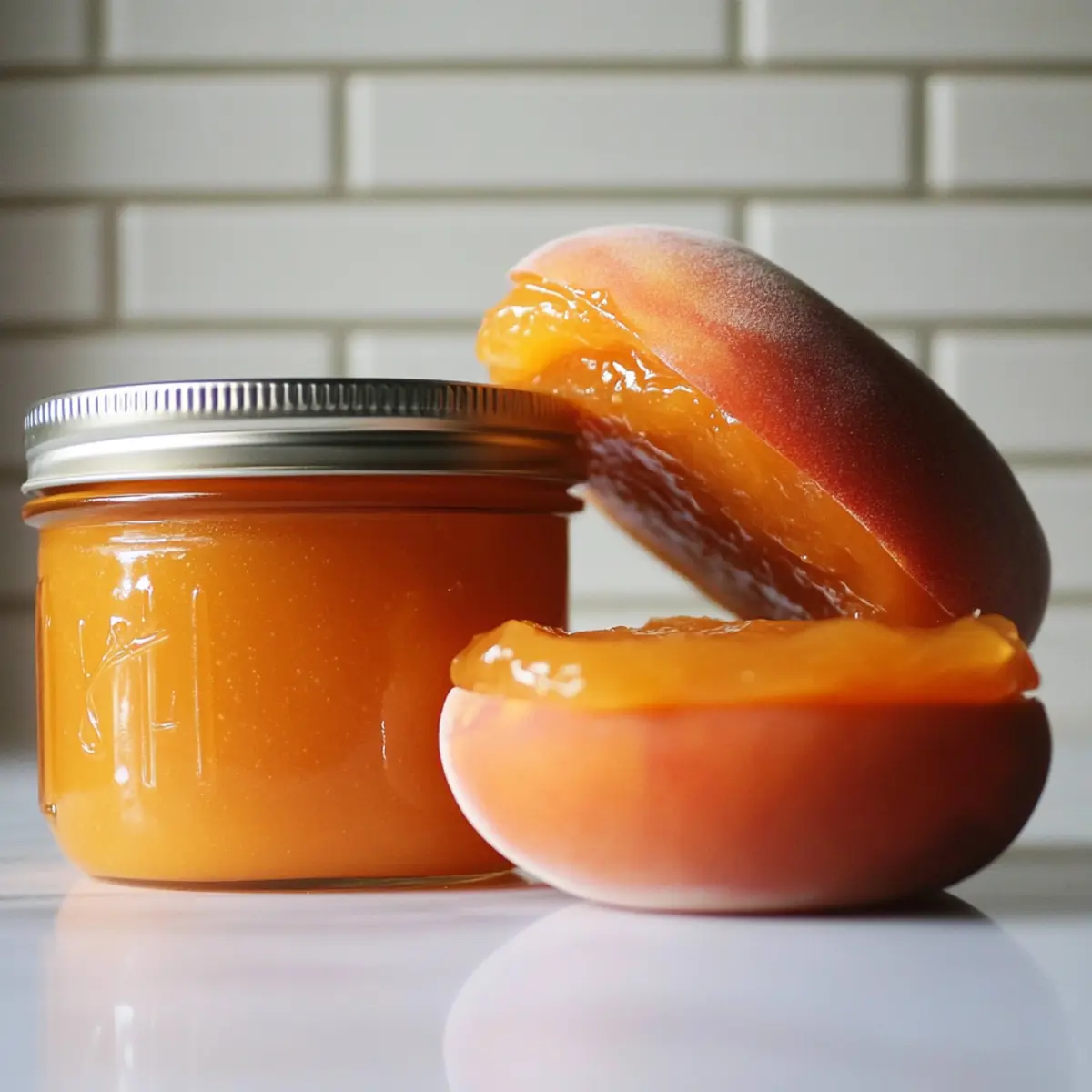
What to Serve with Easy No-Peel Apricot Butter
Indulge in the warmth and sweetness of your favorite breakfast moments with delightful pairings that elevate every bite.
-
Warm Sourdough Toast: The crispy crust and soft center provide a perfect canvas for the apricot butter’s smooth texture, making for an unforgettable breakfast treat.
-
Creamy Greek Yogurt: Swirling apricot butter into yogurt adds a vibrant burst of flavor and sweetness, creating a healthy and satisfying snack or breakfast option.
-
Fluffy Pancakes: The luscious apricot butter drizzled over warm pancakes adds a touch of sunshine and sweetness that brightens your morning stack.
-
Cheese Platter: Pair apricot butter with a creamy brie or tangy goat cheese, balancing sweet and savory flavors, perfect for a charming appetizer spread.
-
Peanut Butter Sandwich: Amp up the classic PB&J by adding apricot butter for a fruity twist, creating a delightful lunchtime option that your kids will adore.
-
Homemade Ice Cream: Swirl apricot butter into vanilla ice cream for a refreshing dessert that captures summer in every scoop, bringing nostalgia to every bite.
-
Cocktail Companion: Serve apricot butter alongside a gin and tonic or fruity spritzer, where the flavors harmonize beautifully, making any gathering feel special.
-
Chewy Oatmeal Cookies: A hint of apricot butter enhances the flavor profile of oatmeal cookies, adding a fruity layer that keeps them moist and delicious.
Apricot Butter Variations & Substitutions
Embrace the creativity in your kitchen by customizing this apricot butter recipe to suit your taste preferences and dietary needs!
-
Spiced Delight: Add a pinch of cinnamon or cardamom to the cooking mix for a warm, comforting flavor twist that’s especially delightful during the cooler months. Just imagine the cozy aroma wafting through your home!
-
Boozy Boost: For a grown-up indulgence, stir in a splash of brandy or whiskey at the end of cooking. This addition will elevate the flavor and add a unique twist that’s perfect for special occasions.
-
No Sugar Needed: Substitute honey or maple syrup for sugar to create a naturally sweetened version. Keep in mind that these alternatives may alter the texture slightly, resulting in a sweeter, silkier spread.
-
Fruity Fusion: Combine ripe peaches, apricots, or even mangos for a mixed fruit butter that brings a splash of tropical vibrance to your breakfast table. Light and refreshing—this variation is a true crowd-pleaser!
-
Nutty Crunch: Fold in chopped nuts like pecans or walnuts once the butter has cooled for added texture and flavor. This delightful crunch creates a new depth, making each bite an exciting experience!
-
Herbal Touch: Infuse your apricot butter with fresh herbs like rosemary or thyme during the cooking process for an unexpected savory note that beautifully balances the sweetness.
-
Chili Heat: If you enjoy a little kick, add a few pinches of crushed red pepper flakes while simmering. This zesty twist will create a delicious contrast with the fruit’s sweetness!
Explore these variations to make this apricot butter your own, and while you’re at it, check out these delightful recipes for inspiration: the Lemon Garlic Butter and the Cowboy Butter Chicken. Each twist can add a unique flare to your homemade preserves, ensuring that no two jars are ever the same!
How to Store and Freeze Apricot Butter
Room Temperature: Store sealed jars of apricot butter in a cool, dark place for up to a year. Ensure they are free from any cracks or dents to maintain freshness.
Fridge: Once opened, keep apricot butter in the refrigerator where it will stay good for up to 3 weeks. Use an airtight container to prevent odors from seeping in.
Freezer: If you want to keep apricot butter longer, freeze in airtight containers for up to 6 months. Just make sure to leave space for expansion as it freezes.
Reheating: When ready to enjoy your frozen apricot butter, simply thaw it in the fridge overnight or warm it gently in a saucepan over low heat until smooth.
Make Ahead Options
These apricot butter delights are perfect for meal prep enthusiasts! You can chop and prepare the apricots (up to 24 hours in advance) by refrigerating them in an airtight container, preventing any browning. Additionally, you can cook the apricots and puree them, then let the mixture cool and store it in the refrigerator for up to 3 days before adding sugar and lemon juice. When you’re ready to finish your apricot butter, simply combine the pureed mixture with 3 cups of sugar and 2 tablespoons of lemon juice, simmer until thickened, and proceed with canning. This way, you’ll have homemade apricot butter ready in a snap, making it a breeze for busy weeknights!
Expert Tips for Apricot Butter
-
Ripeness Matters: Use fully ripe apricots for maximum flavor and sweetness. Underripe fruit can lead to a bland apricot butter.
-
Sugar Adjustments: While it’s tempting to decrease sugar for a healthier option, reducing it too much can affect the thickening process of your apricot butter.
-
Texture Preference: If you prefer a chunkier preserve, blend less! Leave some small pieces of fruit intact for a delightful texture.
-
Canning Safety: Ensure your jars and lids are properly sterilized to prevent spoilage. Also, check seals after processing to keep your apricot butter fresh longer.
-
Flavor Enhancements: Experiment with spices like cinnamon or vanilla towards the end of cooking for unique flavor profiles in your apricot butter.
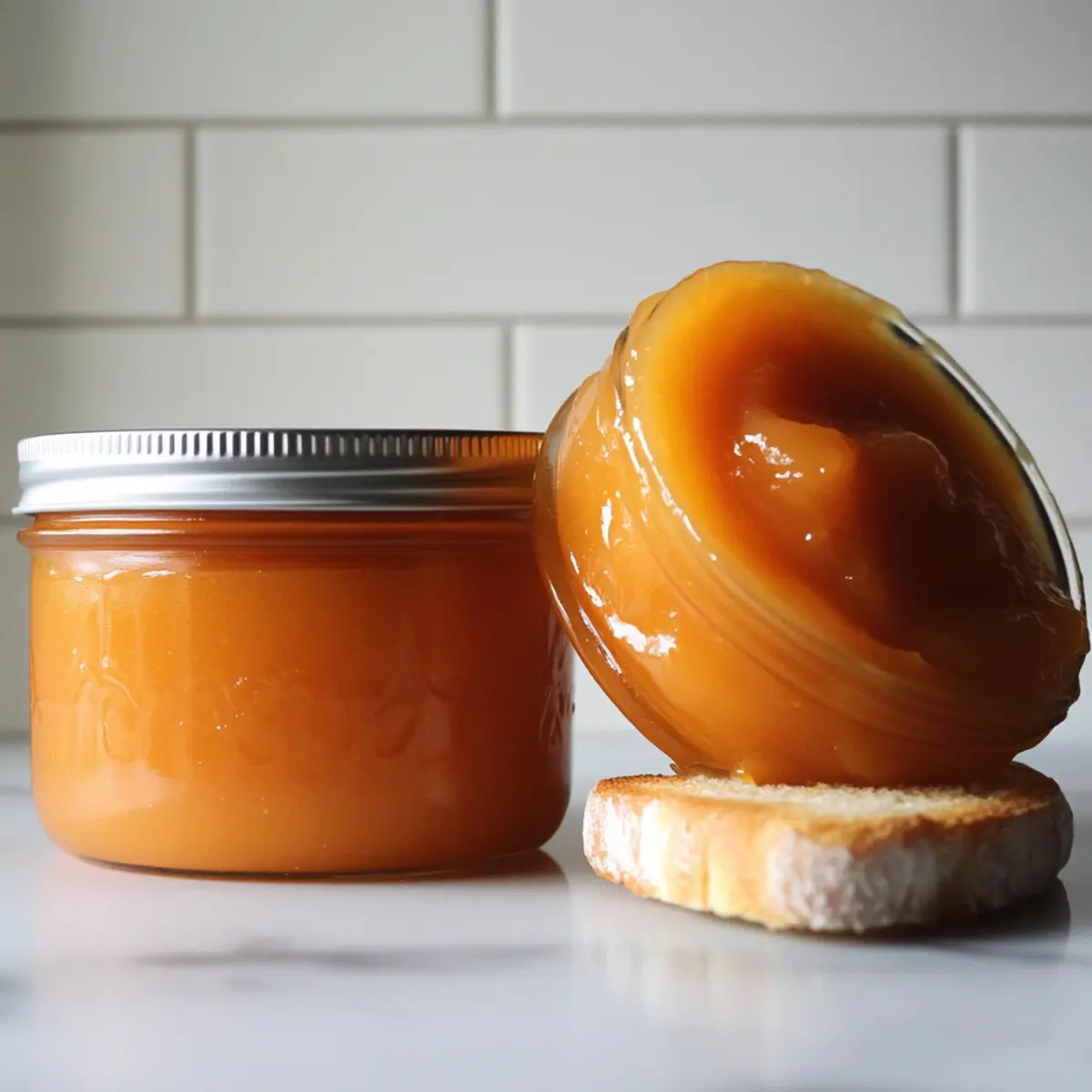
Apricot Butter Recipe FAQs
How do I select ripe apricots for this recipe?
Absolutely! For the best flavor in your apricot butter, look for apricots that are slightly soft to the touch, with a vibrant orange hue. Avoid those with dark spots or blemishes, as they may taste overly ripe or have off flavors. The best apricots for preserves are sweet and fragrant, indicating they have reached peak ripeness.
What is the best way to store apricot butter?
Very good question! Store sealed jars in a cool, dark place away from direct sunlight for up to a year. Once opened, keep the apricot butter in the refrigerator in an airtight container, where it will stay fresh for about 3 weeks. If you notice any off smells or mold, it’s best to discard it to ensure safety.
Can I freeze apricot butter, and if so, how?
Absolutely! Freezing apricot butter is a fantastic way to preserve it for longer. Here’s how: First, spoon the cooled apricot butter into airtight containers, leaving about an inch of space at the top for expansion. Seal the containers well, label them with the date, and freeze. It will stay good for up to 6 months. When you’re ready to use it, just thaw overnight in the fridge or gently warm it on the stovetop!
What should I do if my apricot butter isn’t thickening?
If you’re finding that your apricot butter isn’t thickening, don’t worry! This can happen if the sugar was reduced too much or if the cooking time wasn’t long enough. To fix this, return the mixture to the heat, simmer it longer while stirring frequently. If it’s still too thin, consider adding a bit of pectin to help it gel. The key is to cook it down until it reaches your desired consistency.
Is apricot butter safe for pets?
Good question! While apricot butter isn’t toxic to pets, it’s best to avoid giving it to them, especially because of the sugar content. Apricots itself can be safe in small amounts, but remember that high sugar levels aren’t ideal for pets. Always check for any specific allergies your furry friends might have!
Can I adjust the sugar in the apricot butter?
Very much so! While the original recipe calls for 3 cups of sugar to achieve that sweet preserve flavor, feel free to adjust it to your taste. Just keep in mind that reducing sugar too much may affect the texture and thickening process. If you want to lower sugar, try substituting with a sweetener of your choice, but bear in mind that each substitution might alter the final consistency.
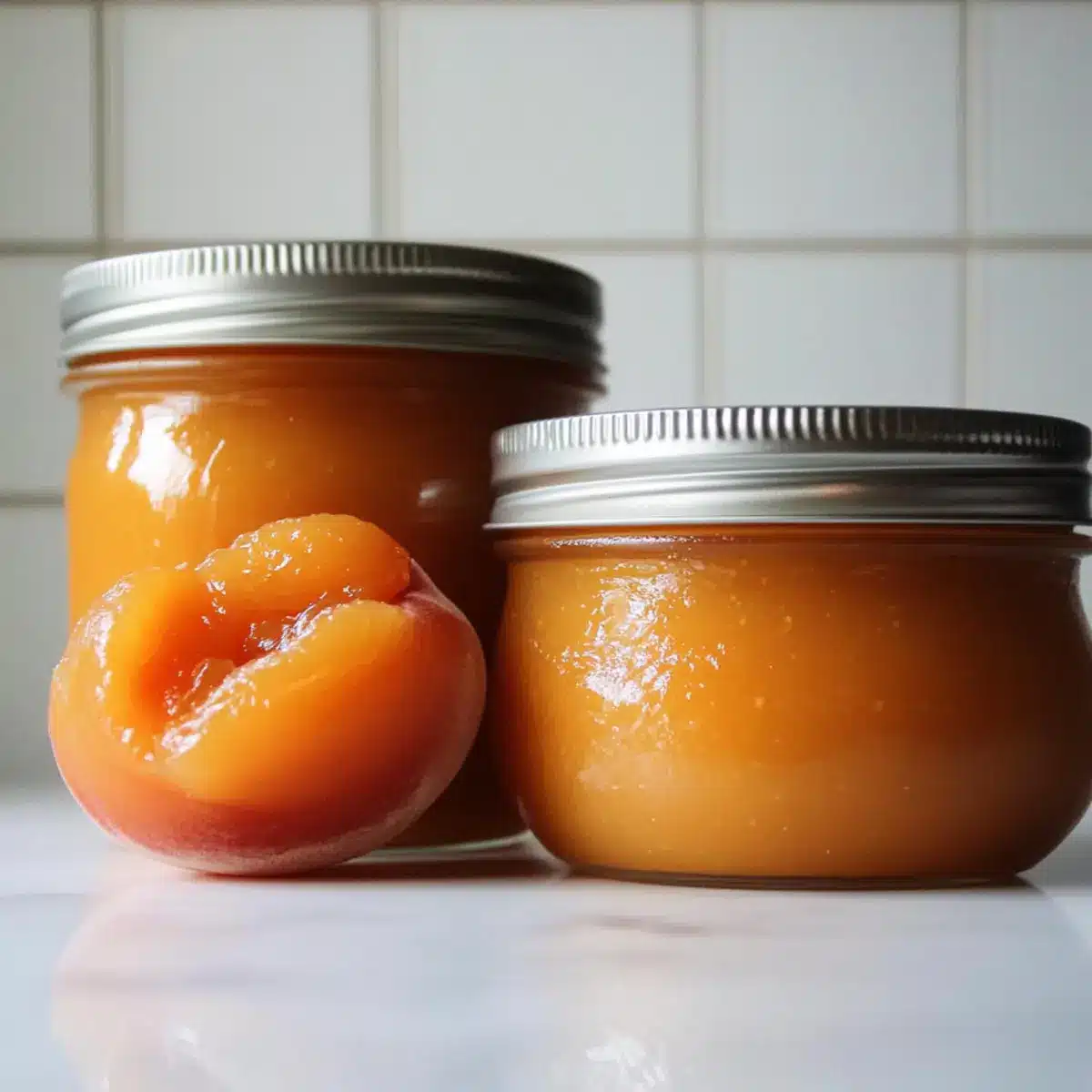
Smooth and Easy Apricot Butter: No Peeling Needed!
Ingredients
Equipment
Method
- Wash 2 lbs of ripe apricots under running water. Halve and pit each apricot, coarsely chop them without peeling, and set aside.
- In a large pot, combine the chopped apricots with ½ cup of water. Stir gently and bring to a simmer over medium heat. Cook for about 20 minutes.
- Use an immersion blender to puree the mixture until mostly smooth, leaving some texture for character.
- Return the pureed apricot mixture to the pot, add 3 cups of sugar and 2 tablespoons of lemon juice, and stir until the sugar is dissolved.
- Reduce heat to low and let the mixture simmer for 1 to 2 hours, stirring frequently until thickened.
- Prepare your canning jars by sterilizing them in boiling water while the apricot butter thickens.
- Ladle the thickened apricot butter into sterilized jars, leaving ¼ inch of headspace, and seal with sterilized lids.
- Process the jars in a boiling water bath for 10 minutes to ensure they are properly sealed.
Leave a Reply